Step by step
What not to do
- Do not dismiss memory problems as inevitable aging without a medical evaluation.
- Do not assume that occasional lapses (e.g., losing keys) are dementia, look for progressive interference with daily function.
- Do not accept a vague diagnosis without asking for the specific type of dementia.
- Do not ignore symptoms in people under 65, attributing them to stress or burnout.
- Do not skip regular cognitive screening for people with Down syndrome or other developmental disabilities.
Key points
- Dementia is not a normal or inevitable part of aging. Most older adults do not develop dementia.
- Dementia is an umbrella term for symptoms caused by many different brain diseases, with Alzheimer's being the most common (60-80% of cases).
- Some causes of dementia-like symptoms are reversible, such as thyroid problems, vitamin deficiencies, depression, and medication side effects. Always get a thorough medical evaluation.
- Dementia can affect younger people too (young-onset dementia), especially in their 40s and 50s. Do not dismiss symptoms because of age.
- You can reduce your risk of dementia through lifestyle changes like exercise, a healthy diet, social engagement, and managing chronic conditions, though it is not a guarantee.
- If you notice a significant change in memory or thinking that affects daily life, see a doctor. Early diagnosis allows for better planning and treatment.
Videos
 Does everyone eventually get dementia?Directly addresses the common fear that dementia is inevitable with age, explaining that it is not.
 Why we should talk about dementia | Adria Thompson | TEDxUKYOffers a clear, compassionate explanation of what dementia is and why it is important to discuss openly.
 Dementia 101Provides a foundational overview of dementia, including its causes and types.
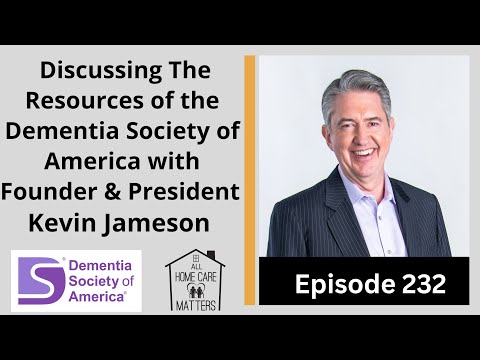 Discussing The Resources of the Dementia Society of American with Founder, Kevin JamesonHighlights available resources and support for families dealing with dementia.


Background
Dementia Is Not a Normal Part of Aging
It is a common and understandable worry: as we or our loved ones get older, will dementia eventually happen? In the past, many people assumed that serious mental decline was just what happened when you got old. But we now know that is not true. Dementia is a disease process, not an inevitable part of growing older. Age is a risk factor, meaning the older you are, the higher your chance , but it is not a guarantee. Most people, even those who live into their 90s or beyond, do not develop dementia. Think of it like this: getting older increases your risk for many health conditions, like heart disease or arthritis, but it does not mean you will definitely get them. The same is true for dementia. The brain ages, just like skin or hair, but dementia is something different , it is a progressive brain disease that causes nerve cells to stop working and die over time. This is why it is so important to recognize that if you or someone you care for is experiencing changes in memory or thinking, it is not just 'getting old' , it may be a sign of something that needs to be checked out.
Dementia Is a Symptom, Not a Single Disease
Dementia is actually an umbrella term for a group of symptoms that include memory loss, difficulty with problem-solving, changes in communication, and trouble with everyday tasks. It is not one specific disease. Instead, it is a symptom of many different underlying brain diseases. The most common cause is Alzheimer's disease, which accounts for about 60-80% of all dementia cases. But there are many other types: vascular dementia (caused by blood vessel problems in the brain), Lewy body dementia, frontotemporal dementia, and others. Some causes of dementia-like symptoms are even reversible, such as thyroid problems, vitamin deficiencies, depression, or medication side effects. This is why getting a thorough medical evaluation is so critical. A doctor can help determine if the changes are due to a treatable condition or a progressive dementia. And importantly, dementia can affect younger people too, it is not just an 'old person's disease.' Young-onset dementia (sometimes called early-onset) can affect people in their 40s, 50s, or even younger. If you are concerned about memory loss at any age, it is always worth talking to a healthcare provider.
The Difference Between Normal Aging and Dementia
It can be hard to tell the difference between normal age-related changes and the early signs of dementia. Normal aging might mean it takes a little longer to find a word or remember where you put your keys, but you can still function in your daily life. Dementia is different: the cognitive changes are severe enough to interfere with a person's ability to care for themselves or keep up with their normal routines. For example, forgetting a name occasionally is normal, but forgetting the name of a close family member or getting lost in a familiar place is not. Dementia is also progressive, meaning it gets worse over time. The key is to notice if there is a change from the person's usual abilities. Before jumping to conclusions, it is important to rule out other causes like depression, hearing or vision problems, or a new medical condition. A good first step is to keep a simple log of any changes you notice, what happened, when, and how often , and share it with the person's doctor.
Practical tools
3
Symptom Diary
A simple notebook or digital log to record specific incidents: what happened, when, how often, and the person's reaction. Bring this to medical appointments.
Comprehensive Medical Workup
Includes
Referral to Specialist
Neurologist, geriatrician, or memory clinic for brain imaging (MRI/CT) and neuropsychological testing when initial evaluation is unclear or for early-onset or atypical cases.
Different situations
If the person has young-onset dementia (under 65)
Do not let age be a barrier to diagnosis. Young-onset dementia often presents with different symptoms (e.g., behavioral changes, language problems) rather than memory loss. Push for a specialist evaluation, and seek out support groups specifically for younger people with dementia and their families. Employment, financial, and childcare issues may need to be addressed.
If the person has a developmental disability (e.g., Down syndrome)
Be aware that dementia can occur at a younger age in this population. Regular cognitive screening should start in the 40s. Changes may be subtle and mistaken for the disability itself. Work with a healthcare provider who has experience with both developmental disabilities and dementia. Use simple, concrete communication and maintain routines.
If the person has a family history of dementia
While having a family history increases risk, it does not mean you will definitely get dementia. Focus on modifiable lifestyle factors (diet, exercise, managing health conditions). Consider talking to a genetic counselor if you are concerned about specific genetic mutations (like the APOE e4 gene or rare familial Alzheimer's genes). Most dementia is not directly inherited.
If the person is a caregiver worried about their own risk
Caregivers are at higher risk for dementia themselves due to chronic stress. Prioritize your own health: get regular check-ups, manage stress (meditation, therapy, respite care), exercise, eat well, and stay socially connected. You cannot pour from an empty cup. Taking care of yourself is not selfish, it is essential for both you and the person you care for.
If the person has a reversible cause of dementia-like symptoms
If the doctor finds a reversible cause (e.g., vitamin deficiency, thyroid problem, depression, medication side effect), follow the treatment plan exactly. Symptoms may improve or even resolve completely. Continue to monitor for any return of symptoms. Do not assume the problem is gone forever, some people may have an underlying vulnerability that can be triggered again.
For the doctor
5
- If you have a strong family history of dementia, ask your doctor about genetic testing and what the results might mean for you and your family.
- If you or a loved one is experiencing memory or thinking changes, ask the doctor to rule out reversible causes like thyroid disease, vitamin B12 deficiency, depression, and medication side effects before assuming it is dementia.
- If a dementia diagnosis is given, ask the doctor what type it is and what specific treatments or management strategies are recommended for that type.
- If you are a caregiver and feeling overwhelmed, ask your doctor about stress management, counseling, or medications for anxiety or depression. Your health matters too.
- If the person with dementia is on multiple medications, ask the doctor or pharmacist to review them for potential side effects that could worsen cognitive symptoms.