Step by step
What not to do
- Do not exclude any role from training: non-clinical staff like drivers, housekeepers, and schedulers interact with participants in ways that can ease or trigger distress.
- Do not treat training as a one-time event: commit to huddles, refreshers, and peer coaching so techniques become daily practice.
- Do not use clinical jargon like 'behavioral management' or 'redirecting', use person-first language such as 'helping the person feel safe' to shift mindset from controlling to partnering.
- Do not overlook the emotional toll on staff: without regular debriefing spaces to share frustrations and successes, good people will burn out and leave.
Key points
- PAC training must be mandatory for ALL PACE staff, including bus drivers, housekeeping, and administrative roles, not just clinical staff.
- The 20-hour core training (workshops A, B, C) provides a consistent, person-centered framework that works in home and community settings.
- Hands-on practice with role-play and real-world scenarios is essential for staff to internalize techniques like the positive physical approach and hand-under-hand.
- Ongoing coaching, huddles, and booster sessions prevent skills from fading and build a culture of continuous learning.
- Measuring impact through staff confidence surveys and participant feedback helps demonstrate the value of training to administrators.
- Personalizing techniques for different dementia types (e.g., Lewy body, FTD) and stages ensures care is truly tailored to each participant.
Videos
 Dementia Care Podcast #39: Personal Awareness and Support - PAC in PACEThis podcast directly discusses how a PACE program integrated PAC training across all staff, including bus drivers. It provides a real-world example of implementation and the benefits observed.
 SUP! Straight Up PositiveThis video offers a concise overview of the PAC philosophy and techniques, useful for introducing the approach to staff who are new to person-centered dementia care.
 The Care Facility That's Transforming Dementia CareWhile focused on a facility, this video shows how PAC training changes staff attitudes and participant outcomes, which can inspire PACE teams to adopt similar methods.
 Hiring a paid dementia caregiver with Laura Smothers-ChuThis video helps family caregivers understand what to look for in a caregiver, including PAC-trained staff, and how to advocate for training in PACE programs.
2 more videos
 How To Choose a Memory Care Facility For DementiaAlthough about facilities, this video provides questions family caregivers can ask PACE programs about staff training, helping them evaluate whether PAC is integrated.
 How Do You Get Someone With Dementia To Do Something?This video demonstrates PAC techniques for everyday tasks like bathing and dressing, which are directly applicable to PACE home health aides and family caregivers.
Background
Why PAC Training Matters for Every PACE Staff Member
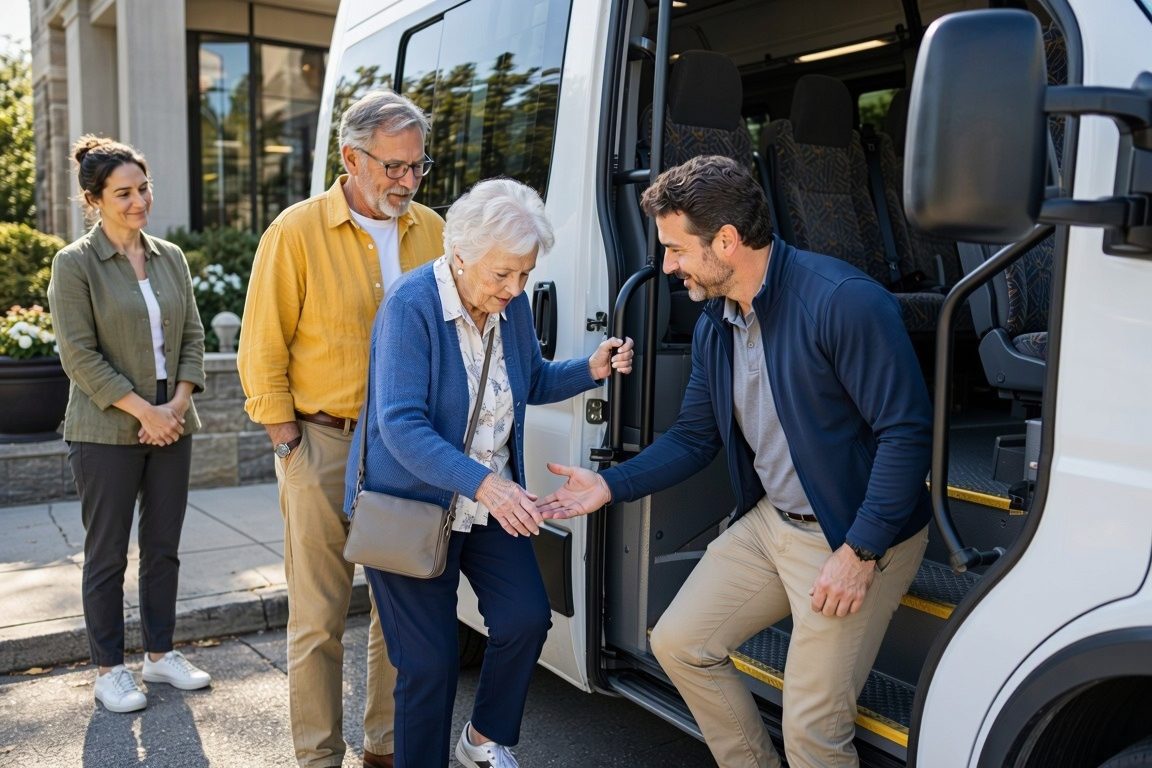
PACE programs are designed to keep older adults living safely at home, but this means staff interact with participants in their own environments, not a controlled facility. As one PACE director noted, bus drivers who pick up participants each morning may suddenly face confusion, agitation, or emotional outbursts without any formal dementia training. The same is true for home health aides, social workers, and even administrative staff who answer phone calls. Without a shared framework like PAC, each person reacts differently, often escalating distress instead of calming it. Research shows that direct care staff need education that empowers them to tailor care to each person’s unique abilities and preferences, and that training must go beyond a few hours of basics. PAC provides a consistent, person-centered language that everyone can use, from the driver who says ‘I see you’re having a tough morning, let’s take a moment’ to the nurse who adjusts a bathing routine based on the participant’s life story.
The Gap Between Assisted Living and PACE: Why Standard Training Falls Short
Many dementia care environments treat memory care as ‘assisted living plus’, just adding a few extra hours of training. But PACE is fundamentally different: participants are not in a facility; they are in their own homes, with their own routines, pets, and family dynamics. A four-hour dementia course cannot prepare a home health aide for the moment a participant refuses to bathe because the bathroom lighting triggers fear, or a bus driver for the participant who becomes disoriented mid-route. The Alzheimer’s Association emphasizes that dementia care requires understanding impaired communication, disorientation, and behavioral changes, all of which demand ongoing, practical training. PAC training, which includes workshops A, B, and C (totaling 20 hours), gives staff a toolkit of techniques like ‘positive physical approach’ and ‘hand-under-hand’ guidance that can be applied in real time, whether in a living room or a van.
How PAC Training Changes Outcomes for Participants and Staff
When PACE staff learn PAC techniques, the benefits are immediate. One study found that after person-centered dementia training, staff reported more positive interactions and better relationship-building with participants. Another PACE director observed that drivers who completed PAC training felt more confident and less anxious when behaviors arose, reducing the need for crisis calls. For family caregivers, this means their loved one is met with understanding rather than frustration. The training also helps staff see the person behind the diagnosis, knowing a participant’s life story, preferences, and abilities, so care becomes tailored, not generic. As one trainer put it, ‘If they go through the training and then leave, they still have that information for somebody in their family.’ This ripple effect strengthens the entire care ecosystem.
Practical tools
4
Positive Physical Approach Card for Van Drivers
Laminate one for every vehicle:
If they resist, pause and breathe together: 'I see you're not ready, let's take a moment.' Offer a choice such as 'Would you like to hold my arm or walk on your own?'
Hand-Under-Hand Technique Card for Bathing Refusals
When a participant resists care, slide your hand under theirs palm to palm with fingers curled gently rather than gripping from above, preserves dignity and gives them control. Pair with a simple choice like 'Would you like to start with your face or your arms?' and narrate each step slowly.
Communication Phrase Swap Card
Pocket-sized list of replacements: instead of 'Calm down,' try 'I see you're upset, let's take a break'; instead of 'You need to take your medication,' try 'Here's something that will help you feel better'; instead of 'Don't do that,' try 'Let's try this together.' Keep copies in vans, break rooms, and aide cars.
Pre/Post Training Confidence & Satisfaction Survey
One-page survey asking staff to rate (1–5) confidence in handling confusion, refusal of care, agitation, and transport challenges, plus one open question: 'What's one moment this month when you felt successful with a participant?' For participants and family caregivers, ask 2–3 simple questions about feeling treated with dignity and respect. Track trends quarterly.
Different situations
For participants with Lewy body dementia
Lewy body dementia often involves visual hallucinations and extreme sensitivity to medications. In PAC training, emphasize techniques for validating rather than arguing about hallucinations. Say: ‘I see you’re concerned about that person, let’s move to a quieter room together.’ Avoid using mirrors or shiny surfaces that may trigger hallucinations. Discuss medication adjustments with the PACE clinician.
For participants in late-stage dementia
Focus on comfort and sensory connection rather than task completion. Use PAC’s ‘positive physical approach’ with very slow movements and soft voice. For bathing, switch to sponge baths if the participant becomes distressed. Train staff to look for nonverbal cues like grimacing or turning away. The goal is to reduce pain and anxiety, not to complete a checklist.
For family caregivers who are adult children
Adult children often feel guilty or unsure about setting boundaries. In PAC training for family caregivers, emphasize that they are not responsible for fixing everything. Teach them to use the same techniques as staff: approach from the front, offer choices, and validate feelings. Provide a separate support group where they can share struggles without judgment.
For PACE programs in rural areas with limited training access
If you cannot bring a PAC trainer onsite, use virtual workshops and recorded sessions. Pair remote training with a local ‘PAC champion’, a staff member who watches the videos and leads practice sessions. Consider partnering with a nearby PACE program that already uses PAC to share resources. Bus drivers in rural areas may need extra training on long transport times and unfamiliar roads.
For participants with frontotemporal dementia (FTD)
FTD often affects behavior and personality more than memory. PAC training should include strategies for managing impulsivity, apathy, or inappropriate social behavior. For example, if a participant makes a rude comment, staff should not take it personally. Instead, redirect to a preferred activity: ‘Let’s go look at the garden: I know you love the flowers.’ Avoid lengthy explanations, as FTD can impair comprehension.
For the doctor
5
- Discuss with the PACE medical director whether any participants have medication regimens that could be adjusted to reduce agitation or sundowning, and how PAC techniques can complement those changes.
- Ask the PACE pharmacist about potential side effects of dementia medications (e.g., antipsychotics, cholinesterase inhibitors) that might affect behavior, and how staff can report observations to the clinical team.
- Consult with the PACE social worker about family dynamics that may affect care, especially if a family caregiver is resistant to PAC techniques or has unrealistic expectations.
- Review with the PACE occupational therapist how to adapt the home environment (e.g., lighting, clutter) to reduce confusion, and whether any assistive devices (e.g., grab bars, raised toilet seats) are needed.
- Discuss with the PACE dietitian if changes in eating behavior (e.g., refusing food, swallowing difficulties) require a modified diet or feeding techniques, and how PAC communication can help during meals.