Step by step
What not to do
- Do not assume a normal EEG means the seizures are 'fake' or 'all in their head', functional seizures are real and cause impairment.
- Do not stop antiseizure medications abruptly without a doctor's guidance; withdrawal can cause severe complications.
- Do not ignore other potential causes of seizure-like episodes (e.g., infections, medication side effects, metabolic issues), ensure a thorough medical workup first.
- Do not pressure the person to 'relax' or 'control it', this worsens stress; instead, offer calm support and encourage therapy.
- Do not rely solely on the person's own description for diagnosis, bring a witness or video for objective data.
Key points
- Functional seizures are real and treatable; the diagnosis is made by video EEG and clinical evaluation.
- A correct diagnosis is essential to access effective psychological therapies like cognitive behavioral therapy.
- Antiseizure medications like benzodiazepines should not be used for functional seizures alone; discuss tapering with your clinician.
- Keep a detailed seizure diary and video recordings to help the doctor.
- Stigma is common but unfounded; educate yourself and others to reduce shame.
- Caregivers need support too, seek out resources and counseling.
Videos
 Ep. 147: Seizures and Dementia, What Should We Be Aware of?This video explains how seizures can present in dementia, which is important for distinguishing functional seizures from other causes in older adults.
 HELP! Why Wont The Doctor Diagnosis Dementia?This video addresses frustration with the diagnostic process, which can be similar for functional seizures, helping caregivers understand why it takes time.
 Inside Dementia Diagnosis!This video walks through the steps of a dementia diagnosis, which parallels the thorough workup needed for functional seizures.
Background
What Are Functional Seizures and Why Are They Misunderstood?
Functional seizures are episodes that look or feel like epilepsy or fainting, but they have different causes and their own typical features. Unlike epileptic seizures, which result from abnormal electrical activity in the brain, functional seizures are thought to arise from a disruption in how the brain processes signals, often linked to stress, trauma, or other psychological factors. This condition has been historically misunderstood, leading to stigma and delayed treatment. The American Academy of Neurology (AAN) has issued a landmark guideline to help overcome that stigma and improve care, emphasizing that once an accurate diagnosis is made, potentially effective treatments are available.
Why Diagnosis Matters: The Path to Effective Treatment
Many people with functional seizures do not receive targeted, evidence-based treatment, which contributes to ongoing seizures and disability. The AAN guideline stresses that psychological interventions, such as cognitive behavioral therapy, are possibly effective in helping people achieve freedom from functional seizures. However, these treatments are only accessible after a correct diagnosis. Without it, patients may be prescribed antiseizure medications like benzodiazepines, which the guideline advises against for functional seizures alone, due to lack of benefit and potential risks. Getting the right diagnosis is the first step toward a treatment plan that actually works.
How Is the Diagnosis Made? The Role of Video EEG and Clinical Assessment
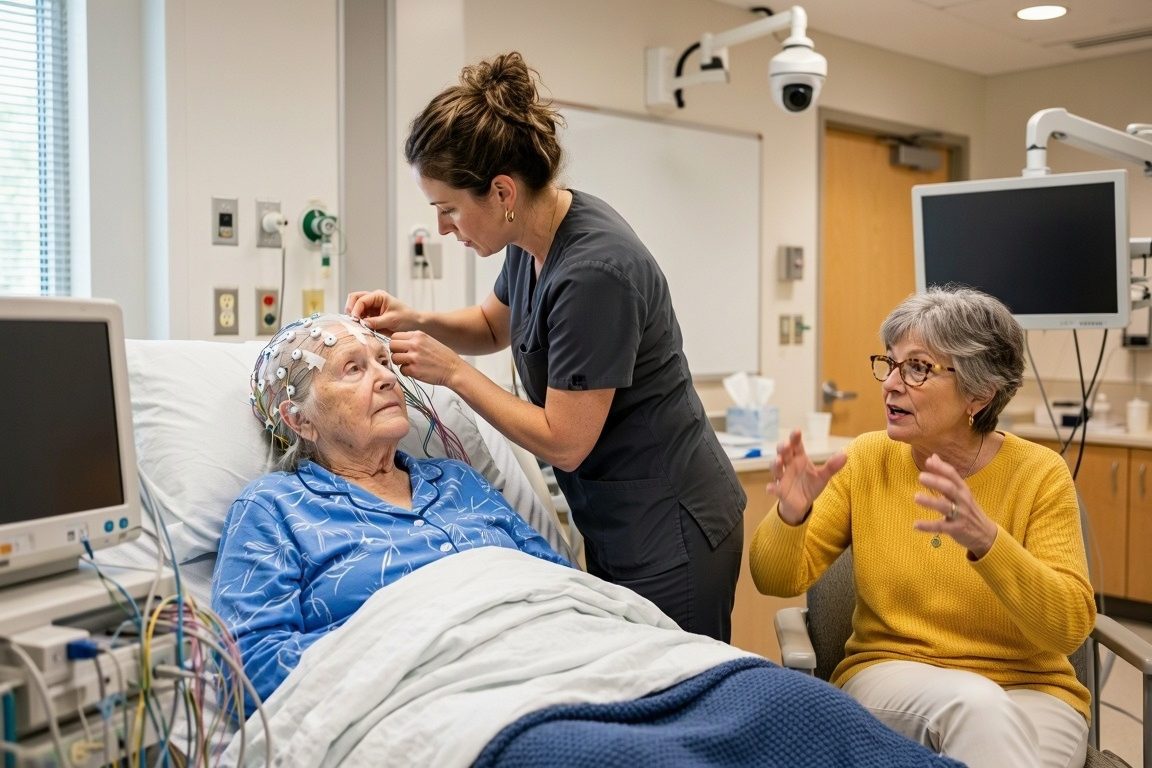
The gold standard for diagnosing functional seizures is video electroencephalography (EEG), which records brain activity and video of the episode simultaneously. This test helps distinguish functional seizures from epileptic seizures by showing no abnormal electrical activity during the event. However, the diagnostic process also involves a thorough clinical evaluation by a neurologist, often an epileptologist, who will take a detailed history, review any warning signs (auras) that may occur before a seizure, and rule out other conditions. Neuropsychological testing may also be used to assess cognitive, behavioral, and emotional functioning, providing additional clues. The AAN guideline emphasizes that the diagnosis should be made with care and communicated compassionately to reduce stigma.
Practical tools
4
Seizure Diary Template
Use a notebook or app (Seizure Tracker, Epsy) with columns: date, time, duration, triggers (e.g., stress, sleep loss, warning signs like fear, déjà vu, dizziness), episode details (movements, awareness, sounds), and post-episode state (confusion, fatigue). Bring to each appointment.
Doctor Questions
Ask:
Video Recording Protocol
If safe, record the episode on your phone:
Show it to the neurologist, it provides more objective information than description alone.
Medication Tapering Plan Sheet
If tapering is recommended, ask for a written schedule:
Never adjust doses without this plan.
Different situations
For a patient with dementia (e.g., Lewy body or Alzheimer's)
Seizure-like episodes in dementia may be caused by infections (like a UTI), medication side effects, or metabolic issues, not functional seizures. Always rule out these causes first. If functional seizures are suspected, the diagnostic process is the same, but communication may need to be simpler and more reassuring. Use short sentences and avoid medical jargon. The caregiver should be the primary historian.
For a spouse caregiver vs. an adult child
Spouses may feel more personally responsible or distressed by the diagnosis. Adult children may need to navigate differing opinions from siblings. Both should seek separate support: couples counseling for spouses, or family therapy for adult children. The caregiver's own mental health is critical; consider a caregiver support group.
For a patient living in a facility (nursing home or assisted living)
Coordinate with the facility's nursing staff and medical director. Ensure the seizure diary is kept by staff. Ask for a care plan meeting to discuss the diagnosis and treatment. The facility may need training on how to respond to functional seizures (e.g., not using rescue medications unless prescribed). Advocate for psychological therapy to be provided on-site or via telehealth.
For a patient with limited insurance or Medicaid
Video EEG may require prior authorization. Ask the neurologist's office to help with this. If CBT is not covered, look for sliding-scale therapists, community mental health centers, or online CBT programs (some are free). The Epilepsy Foundation may have financial assistance resources. Do not let cost prevent you from seeking a diagnosis; discuss options with the social worker.
For a patient who is also experiencing hallucinations or delusions
Functional seizures can co-occur with psychiatric conditions. The clinician should assess for psychosis, mood disorders, or trauma. Treatment may need to address both conditions simultaneously. Do not assume hallucinations are part of the seizure; they may be a separate issue. A psychiatric evaluation is essential.
For the doctor
5
- Ask your clinician: 'Is a video EEG necessary for diagnosis, or can we use other tests like ambulatory EEG?'
- Ask: 'What are the risks of continuing antiseizure medications if they are not helping? Should we consider tapering?'
- Ask: 'Are there any medical conditions (like thyroid problems or vitamin deficiencies) that could mimic functional seizures and need to be ruled out?'
- Ask: 'If my loved one has both epilepsy and functional seizures (co-occurring), how do we treat both safely?'
- Ask: 'What psychological therapies are most effective for functional seizures, and how do we access them?'