
Step by step
What not to do
- Don't assume a medication is safe just because a doctor prescribed it. Always ask, 'Is this appropriate for my loved one's age and condition?'
- Don't stop or change the dose of any medication on your own. Suddenly stopping antidepressants, antipsychotics, or seizure drugs can trigger withdrawal or a dangerous rebound.
- Don't reach for over-the-counter sleep aids or antihistamines like Benadryl, Tylenol PM, or Unisom. Their strong anticholinergic effects can worsen confusion and sharply raise fall risk.
- Don't treat difficult behavior as a problem only a pill can solve. Behaviors are often a form of communication, pain, fear, feeling overwhelmed, or being unable to express a need.
- Don't let more than one sedating drug stack up. The combination greatly increases the chance of falls, dangerous sedation, and confusion.
- Don't assume a sudden change in behavior or alertness is just the dementia getting worse. New or worsening confusion can come from a medication side effect, a urinary tract infection, dehydration, constipation, or untreated pain.
Key points
- No medication can cure dementia, but some can temporarily improve symptoms like memory or function.
- Cholinesterase inhibitors and memantine are the main dementia-specific drugs; they work best for Alzheimer’s and may have modest benefits.
- Antipsychotics, benzodiazepines, and sleep aids carry serious risks for older adults with dementia, including increased fall risk, confusion, and even death.
- Always try non-drug approaches first for behavioral symptoms, look for pain, hunger, boredom, or discomfort.
- Review all medications regularly with a doctor or pharmacist to avoid dangerous combinations and stop unnecessary drugs.
- You are your loved one’s best advocate, ask questions, keep a medication list, and don’t be afraid to request safer alternatives.
Videos
 Medications Used in Dementia: What Caregivers Should Know | Sarah Mourra MD | UCLAMDChatThis video gives a clear, practical overview of the main medication classes used in dementia, including risks and when to use them. Dr. Mourra explains why non-drug approaches are first-line and how to talk to your doctor.
 THIS Pill Causes Dementia!!!This video highlights the dangers of anticholinergic medications, which are common in overactive bladder drugs, antihistamines, and some antidepressants. It explains how these drugs can worsen confusion and even mimic dementia symptoms.
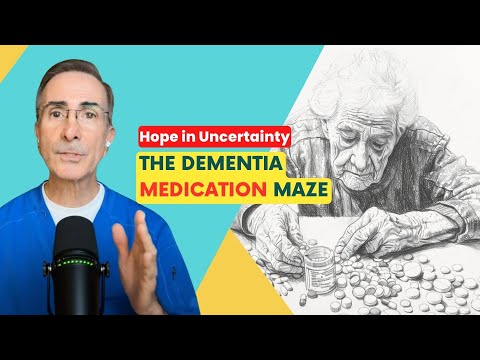 Dementia Medications ExplainedA straightforward explanation of how cholinesterase inhibitors and memantine work, their side effects, and what to expect. Good for understanding the basics before a doctor visit.
 dementia medications pharmacist interviewA pharmacist discusses the importance of medication reviews, common drug interactions, and how to avoid potentially inappropriate medications. Very practical for caregivers managing multiple prescriptions.

Background
Why Medications Are Used in Dementia (and What They Can’t Do)
Dementia is an umbrella term for a group of symptoms caused by different brain changes: Alzheimer’s disease, vascular dementia, Lewy body dementia, and others. No medication can stop or reverse these underlying brain changes. However, some drugs can temporarily improve thinking, memory, or daily function for a period of time, especially in Alzheimer’s. Others are used to manage difficult behaviors like agitation, aggression, or sleep problems, but these come with significant risks and should be used cautiously. Understanding what each class can and cannot do helps you set realistic expectations and avoid chasing a cure that doesn’t exist.
The Two Main Classes of Dementia-Specific Medications
The most common drugs prescribed specifically for dementia are cholinesterase inhibitors (like donepezil, rivastigmine, and galantamine) and memantine. Cholinesterase inhibitors work by boosting a brain chemical involved in memory and learning. They are approved for Alzheimer’s and sometimes used off-label for other dementias, though their benefit may be smaller. Memantine works differently, regulating another brain chemical to protect nerve cells. It is approved for moderate to severe Alzheimer’s. These drugs do not work for everyone, and side effects can include nausea, vomiting, diarrhea, and slowed heart rate. They are not a cure, but for some people they can buy months of better function.
Medications for Behavior: Antipsychotics, Antidepressants, and Sedatives
When a person with dementia becomes agitated, aggressive, or has hallucinations, doctors may consider medications like antipsychotics (e.g., risperidone, quetiapine), antidepressants (e.g., SSRIs), or benzodiazepines (e.g., lorazepam). These are not approved for dementia-related behaviors and carry serious risks, including increased fall risk, confusion, sedation, and even a higher risk of death in older adults with dementia. Antipsychotics, in particular, have a black box warning for this reason. Non-drug approaches, like identifying unmet needs (pain, hunger, boredom) and adjusting the environment, should always be tried first. If medication is necessary, it should be used at the lowest effective dose for the shortest time, with close monitoring.
High-Risk Medications to Avoid or Use with Caution
Certain medications are especially risky for people with dementia. Anticholinergic drugs, found in some overactive bladder treatments (like oxybutynin), antihistamines (like diphenhydramine/Benadryl), and some antidepressants, can worsen confusion, increase fall risk, and may even contribute to dementia-like symptoms. Benzodiazepines and sleep medications (like zolpidem/Ambien) also increase fall risk and can cause daytime drowsiness and confusion. Many of these are considered potentially inappropriate for older adults. Always ask the doctor: “Could this medication be making my loved one’s confusion worse? Is there a safer alternative?”
Practical tools
5
Medication Review Checklist
Bring this to every doctor visit:
Pain and Behavior Log
Use a small notebook or a free notes app to record: date and time, what happened (yelling, hitting, pacing, refusing care), what was going on just before, what you tried (a snack, a walk, a bathroom break, music), and whether it helped. Add a column for pain signs like grimacing, guarding a body part, or stiffness.
Non-Drug Sleep Routine
Build a calm, predictable bedtime:
Cut off caffeine after noon, keep daytime naps short (under 30 minutes), and get 15–20 minutes of morning sunlight to help set the body clock.
Fall Prevention Checklist
If your loved one takes anything sedating, a benzodiazepine, a strong pain pill, a sleep aid, or an antipsychotic, go through this list:
Phrases to Say to the Doctor
Keep these ready:
Different situations
Lewy body dementia or Parkinson’s dementia
People with Lewy body dementia are extremely sensitive to antipsychotic medications, even small doses can cause severe rigidity, sedation, or a life-threatening reaction called neuroleptic malignant syndrome. Avoid antipsychotics if at all possible. Cholinesterase inhibitors (like rivastigmine) may be more helpful for cognitive symptoms and even hallucinations. Always discuss any antipsychotic use with a specialist.
Late-stage dementia
In late stages, the goal shifts from improving cognition to comfort and quality of life. Medications for memory are often stopped because they no longer provide benefit. Focus on pain management (scheduled acetaminophen), treating constipation, and avoiding sedating drugs that can increase fall risk or cause aspiration. Discuss with the hospice or palliative care team if available.
Caregiver is an adult child vs. spouse
Adult children may feel more empowered to question medications, while spouses may be more hesitant to challenge the doctor. If you are a spouse, consider bringing a trusted family member or friend to appointments to help ask questions. If you are an adult child, remember that you are an advocate, you can ask the doctor to explain things in plain language and to consider non-drug options first.
Person lives in a facility (nursing home or assisted living)
Facilities are often under pressure to manage behaviors quickly, and antipsychotics are sometimes overused. You have the right to request a non-drug behavior plan and to ask for a medication review by an independent pharmacist. Federal law requires that residents in nursing homes have a gradual dose reduction of antipsychotics unless clinically necessary. Ask the facility’s medical director or your loved one’s doctor about this.
Medicaid or limited insurance coverage
Some newer or brand-name dementia drugs may not be covered by Medicaid or may have high copays. Ask the doctor if a generic version is available (e.g., donepezil generic, memantine generic). Also ask about patient assistance programs through the drug manufacturer. A social worker or case manager can help you navigate coverage options.
For the doctor
6
- Ask the doctor: 'Is this medication on the Beers Criteria list of potentially inappropriate medications for older adults? If so, what are the risks and is there a safer alternative?'
- If an antipsychotic is prescribed, ask: 'What is the specific target symptom? How will we monitor for side effects like falls, sedation, or Parkinson-like symptoms? What is the plan for a gradual dose reduction?'
- If your loved one has Lewy body dementia, ask: 'Are there any medications we should absolutely avoid because of the risk of severe reactions?'
- Ask about the risks of combining multiple sedating medications: 'Is it safe to take a benzodiazepine along with a sleep aid and an antipsychotic? Could we simplify the regimen?'
- If your loved one is on a cholinesterase inhibitor and has a slow heart rate or fainting spells, ask: 'Could this medication be causing bradycardia? Should we monitor the heart?'
- Ask about non-drug options first: 'Before we start a medication for agitation, can we try a behavior plan or environmental changes? What are the specific steps we can take?'