
Step by step
What not to do
- Do not argue, correct, or try to reorient them, validate feelings and offer gentle reassurance instead, since arguing causes agitation.
- Do not use harsh or loud voices; speak low, slow, and calm, and step away if you feel upset.
- Do not force food, drink, or medications; offer small choices and, if refused, wait about 15–20 minutes and try again.
- Do not talk about your loved one as if they are not there, and never assume they cannot hear or understand, always speak as if they can.
- Do not wait for a crisis to call hospice; palliative and hospice support work best when started early.
- Do not try to carry everything alone or skip meals, sleep, and breaks, burnout weakens the calm presence your loved one depends on.
Key points
- Comfort, dignity, and sensory connection are the primary goals now, your calm, loving presence is your most powerful tool.
- Your loved one cannot tell you they hurt, so watch daily for non-verbal pain signs and report them quickly.
- Soft music, gentle touch, simple statements, and a predictable routine reduce fear and agitation.
- Prevent pressure sores by repositioning every two hours and checking skin daily.
- Offer soft food and fluids safely, upright, and never force them.
- Bring in hospice early for symptom management, equipment, and whole-family support.
- Take care of yourself, accept help, rest, and allow yourself to grieve. You cannot pour from an empty cup.
Videos
 How Can Families Prepare for Late-Stage Dementia Progression? | TestThis video provides an overview of what to expect in late-stage dementia and how to shift your care focus to comfort and quality of life.
 Alzheimer's Disease - The End Stage (Mini-Series Part 3)This video walks through the physical and emotional changes in the end stage of Alzheimer's, offering practical tips for caregivers.
 Professional Alzheimer's & Dementia Training & TipsThis training covers professional-level strategies for comforting and connecting with a person in late-stage dementia.
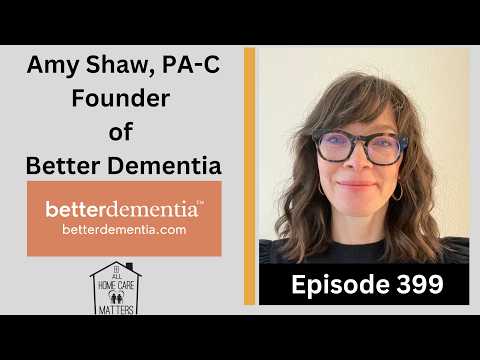 Amy Shaw, PA-C Founder of Better DementiaAmy Shaw shares insights on pain assessment and non-verbal communication in late-stage dementia.
6 more videos
 Professional Alzheimer's And Dementia TrainingThis video offers advanced techniques for managing agitation and providing comfort through sensory connections.
 What are the Different Stages of Dementia? Late Stage End of LifeThis video explains the late-stage milestones and how to prepare for end-of-life care decisions.
 What to Expect with Late Stage Dementia Symptoms (My Experience)This video shares a personal story and practical expectations for late-stage dementia, offering hope and concrete examples of what to do.
 How Does Dementia Assistance Help Relieve Caregiver Stress?This video explains how seeking help and using dementia assistance resources can reduce caregiver burden and improve your well-being.
 What Is Caregiver Burden During Dementia Progression?This video helps you recognize caregiver burden and offers strategies to manage stress and seek support.
 Stages Of Dementia Caregiving: From Chaos To CalmThis video guides caregivers through the emotional stages of caregiving, helping you move from chaos to a calmer, more sustainable approach.
Background
Understanding the situation
Late-stage dementia reflects extensive, progressive brain damage, not your loved one's will or personality. They gradually lose the ability to hold a conversation, respond to their surroundings, and control movement, eventually depending on you for everything: eating, toileting, moving, even holding up their head. They may still say a few words, but communicating pain or needs becomes very hard. Behaviors like moaning, restlessness, or agitation are usually signs of an unmet need, pain, hunger, thirst, fear, or discomfort, rather than intentional acts. Even when speech is gone, the core of the person can still be reached through gentle touch, familiar music, and your calm tone, which they feel more deeply than your words. Because curative treatment is no longer the aim, comfort and quality of life become the entire focus: a peaceful environment, predictable routines, and reassurance that they are safe and not abandoned. Dignity is not erased by dementia; it is preserved by how you choose to respond.
Practical tools
6
Comfort Kit for Sensory Connection
Assemble a small basket with:
Offer just one item at a time and watch closely to learn what soothes them, stop anything that adds agitation.
Pain and Discomfort Observation Checklist
Keep a one-page log noting:
Bring it to the hospice or medical team to guide pain management.
PAINAD Scale (Pain Assessment in Advanced Dementia)
Score five indicators, breathing, vocalization, facial expression, body language, and consolability, from 0 to 2 each. A total of 3 or more suggests pain that needs medical attention; call the doctor or hospice nurse promptly and ask whether treatment should change.
Hospice Referral Checklist
Use these signs as a prompt to discuss hospice with the doctor:
Hospice can be provided at home or in a facility and works best when started early.
Turning and Skin-Check Schedule
Short-Statement Communication Script
Replace questions (which require processing the person can no longer do) with calm, reassuring statements such as 'I am here with you,' 'You are safe,' or simple one-step cues like 'Time to sit up.' Pair words with gentle touch and a soft tone.
Different situations
Lewy body dementia (late stage): Visual hallucinations and movement problems (rigidity, falls, touch sensitivity) are more common. Use very gentle, predictable movements and extra caution when turning. Keep dim, steady lighting and avoid sudden noises or light changes that trigger confusion. Ask the clinician about hallucination medications, as some can worsen movement symptoms.
Frontotemporal dementia (late stage): Physical abilities may be more preserved but behavior and empathy are profoundly changed, and the person may resist care more strongly. Use redirection and offer simple choices, keep routines predictable, and focus on safety and comfort rather than trying to change brain-based behavior. Do not argue about it.
Spouse vs. adult-child caregiver: Spouses often feel a deep loss of partnership and identity and need permission to grieve and support for their own health. Adult children may carry guilt (especially about facility placement) and the strain of work and family; communicating openly with siblings and using respite help. Both benefit from grief counseling and role-specific support groups.
Care in a facility (nursing home or hospice house): Visit often and at consistent times, bring familiar items (a favorite blanket, photos), and share preferences (music, comfort measures) with staff. You can still give hands-on comfort like hand massage and reading aloud. Use the pain tools to advocate, attend care-plan meetings, and speak up, you remain the expert on your loved one.
Medicaid / limited resources: Hospice is covered by Medicare and most Medicaid plans, so request a hospice evaluation as soon as it is appropriate. Lean on low-cost comfort: a phone or radio for music, library books on dementia care, and free community support groups. Ask the Area Agency on Aging or Alzheimer's Association about loan closets (beds, wheelchairs) and free or low-cost supplies.
Common questions
6
Tone over words: a slow, warm voice and a held hand communicate safety even when language is gone.
Keep the Comfort Kit nearby and rotate items to discover what calms your loved one fastest.
Log pain observations consistently so the hospice team sees patterns, not just single moments.
Hospice equipment (hospital beds, pressure-relieving mattresses) and supplies are typically provided at no cost under Medicare, ask the team.
If an item or activity increases agitation, pause and give space rather than pushing through.
Give yourself permission to feel grief, guilt, relief, or numbness, these are normal, and you are doing the best you can.
For the doctor
1
- Ask your doctor or hospice nurse: 'Is it the right time to start palliative care or hospice for my loved one?' 'Should we begin a pain medication trial, and what signs tell me pain is not controlled?' 'Is my loved one at risk for aspiration, what food textures and feeding techniques are safest, and how do I handle swallowing difficulty or choking risk?' 'What are the signs of a urinary tract infection or pneumonia, and when should I call?' 'Are there medications that can ease agitation or restlessness without too many side effects?' 'How do I know if my loved one is dehydrated, and should I offer fluids even if they refuse?' 'What is the best way to manage breathing difficulty or congestion at the end of life?' 'Are there medications or treatments we should stop now that comfort is the goal?' Always confirm any medication or treatment decision with your clinician, do not change doses on your own.