Step by step
What not to do
- Expect formal agencies or paid aides to fill gaps quickly, rural staff shortages are severe.
- Rely on one person as sole caregiver; burnout will happen without rotation.
- Assume neighbors will volunteer without a specific ask, give clear roles and times.
Key points
- Rural communities can build their own support systems by banding together with other families, using technology, and rediscovering neighborly help.
- Start small: reach out to just one other family and set up a weekly phone call or Zoom meeting.
- Use simple, low-cost tools like a shared calendar, a monitoring app, and an emergency contact card.
- Contact your Area Agency on Aging, the Alzheimer's Association, and the Veterans Administration for resources and financial help.
- Do not go it alone. Isolation is the enemy. Build your village one person at a time.
- Plan for emergencies and your own health. You cannot care for someone else if you are burned out.
Videos
 Ep. 223: What's Going On With Rural Care Homes?This video explains why rural care homes are closing and offers hope for community-based alternatives.
 How Do I Find Local Dementia Adult Day Care Services? - TestWalks you through the exact steps to locate adult day services, even in remote areas.
 How To Find Local Dementia Caregiver Support Groups? - TestShows how to find both in-person and online support groups, which is critical for rural caregivers.
 How Do Online Support Forums for Dementia Help Address Caregiver Stress? | TestExplains the emotional and practical benefits of online forums, a lifeline when local options are scarce.
2 more videos
 What To Do When A Dementia Patient Won't Take Medication?Offers non-drug strategies for medication refusal, a common challenge that can be handled without a facility.
 Agitation and Alzheimer’s: Strategies for Managing Behavioral and Psychological Symptoms of DementiaProvides concrete, non-pharmacologic techniques for managing agitation, which is especially important when professional help is far away.
Background
Why Rural Dementia Care Feels So Hard Right Now
Rural areas are facing a perfect storm. Care homes are shutting down because they cannot find staff, and the population is aging while younger people move to cities for better-paying jobs. This means the formal services you might expect, memory care units, adult day centers, home health aides , are often hours away or simply don't exist. The old ways of community support, like barn raisings and neighborhood gatherings, have faded, leaving caregivers feeling isolated and overwhelmed.
The Hidden Opportunity: Rebuilding Your Village
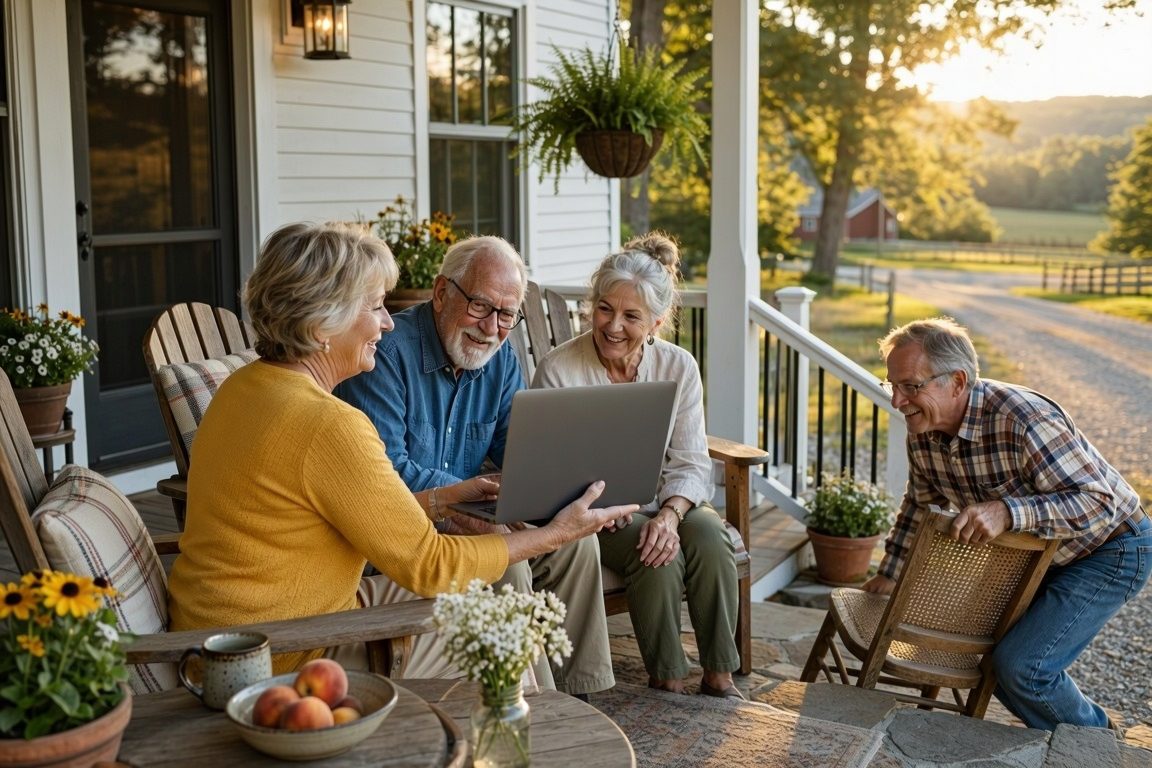
The good news is that rural communities have a long history of pulling together. As dementia care expert Teepa Snow points out, we need to rediscover that spirit. Instead of operating in despair, you can take the 'team approach' and build a new kind of family, one that includes the people who live in your area. This isn't about finding a perfect facility; it's about creatively sharing care, using technology to connect, and supporting each other so no one feels alone. Even a small group of families can make a huge difference.
Practical tools
3
Motion sensor and auto-light kit
Affordable plug-in units that alert a phone if no movement detected by morning or if person wanders at night.
Shared digital calendar (e.g., Cozi or Google Calendar)
Syncs across all helpers for meals, medication pickup, driving shifts, and respite slots.
Door-ajar alarm with lockbox
Low-cost alarm sticks on door frame; lockbox holds spare key, code shared only with approved team.
Different situations
If your loved one has vascular dementia
Focus on lifestyle changes that may help slow progression. As one source notes, vascular dementia is linked to cardiovascular health, so diet, exercise, and stress reduction can make a real difference. Encourage walks (even short ones) and heart-healthy meals. Talk to your doctor about managing blood pressure and cholesterol.
If you are a spouse caring for a partner
You may feel even more isolated because your social world has shrunk. Prioritize joining an online support group specifically for spousal caregivers. Also, plan for the future: talk with a lawyer about power of attorney and healthcare proxy while your partner can still participate in the conversation. This reduces stress later.
If you are an adult child caring for a parent from a distance
Use technology to stay connected. Set up a video call at the same time every day (e.g., 5 pm) so your parent can see your face. Coordinate with local neighbors or a hired caregiver to handle hands-on tasks. You can also use a monitoring system to check in remotely. Your role is to manage the big picture and provide emotional support.
If your loved one is in mid-stage dementia and you are considering palliative care
Do not wait until the end of life. Talk to your doctor about bringing in a palliative care team now. They can help manage pain, agitation, and other symptoms, and they can support you in making decisions. As one expert says, 'This is something we do earlier on when they're starting to lose skills and might not be able to tell us they're in pain.'
If you have limited financial resources
Do not assume you cannot afford help. Ask about sliding scale fees at adult day centers. Check if your state has grants or subsidies for dementia care. The PACE program is designed to keep people at home and may be free or low-cost. Also, consider bartering with neighbors: you watch their kids for an hour, they sit with your loved one for an hour.
For the doctor
4
- Ask your doctor: 'Are there any local palliative care or home health services that you recommend for someone with mid-stage dementia?'
- Ask your doctor: 'What non-drug strategies can we try first for agitation or sleep problems before considering medication?'
- Ask your doctor: 'Can you refer me to a geriatric care manager or a social worker who specializes in rural dementia care?'
- Ask your doctor: 'My loved one has vascular dementia. Are there specific lifestyle changes or medications that might slow progression?'