Step by step
What not to do
- Do not assume the person is 'being difficult' on purpose. Behavior is communication; ask 'What need is this behavior trying to meet?'
- Do not try to 'fix' mood with logic or arguments. When emotions are high, reasoning escalates.Instead, validate: 'I see you are upset. I am here.' Then offer a simple choice or gentle distraction.
- Do not neglect your own self-care. Check your own gem state regularly. If you are frazzled (Ruby), take a break, ask for help, or step outside for five minutes.
- Do not use GEMS labels as a permanent diagnosis. States are fluid and change moment to moment. Observe and respond in the moment rather than boxing someone in.
- Do not let difficult moments crowd out the good ones. Each day ask: 'What was one moment where I connected well?' This builds confidence and reinforces positive habits.
Key points
- The GEMS concept is a flexible, compassionate framework for observing and responding to anyone's changing needs, not just people with dementia.
- The core skill is pausing to check your own communication and emotional state before reacting to another person.
- Use the 'check-in' question ('How did I look to you?') to build self-awareness and improve relationships.
- Music and rhythm are powerful tools to shift mood and create connection in any caregiving situation.
- Apply the GEMS lens to yourself to prevent burnout: recognize your own 'gem' state and give yourself what you need.
- Share the framework with your support network to create consistent, compassionate care for everyone involved.
Videos
 Beyond the Headphones, Using Music and Rhythm to Promote Purpose | Teepa's ClipsThis video directly demonstrates how music and rhythm, key tools in the GEMS approach, can be used to connect with people beyond dementia care. It offers practical examples you can adapt for any caregiving situation.
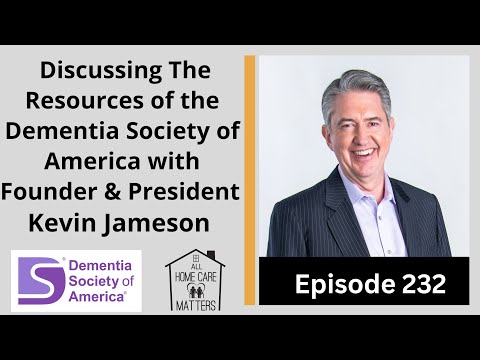 Discussing The Resources of the Dementia Society of American with Founder, Kevin JamesonThis video provides an overview of resources available for caregivers, including support groups and educational materials. It reinforces the importance of building a support network, a key part of applying the GEMS framework sustainably.
 Connections with Christine: Reflections 101 - Expressing MeThis video focuses on self-expression and reflection, which are core to the GEMS practice of checking your own state. It offers a gentle way to explore your own feelings as a caregiver.
 Multimodal Comprehensive Care Communication Skills in Dementia CareThis video teaches communication skills that are directly transferable to any caregiving relationship. The techniques for adjusting your approach based on the person's cues are at the heart of the GEMS model.
2 more videos
 Can Dementia Guidance Help Reduce Caregiver Burnout? | TestThis video addresses caregiver burnout head-on and explains how guidance and practical strategies (like the GEMS framework) can reduce stress and improve well-being for both caregiver and care recipient.
 How To Find Local Dementia Caregiver Support Groups? - TestThis video offers concrete steps for finding support groups, which are essential for practicing and refining the GEMS approach. Connection with others reduces isolation and provides a space to share what works.
Background
What Is the GEMS Concept and Why Does It Work Beyond Dementia?
The GEMS model (Sapphire, Diamond, Emerald, Amber, Ruby) is a way of seeing a person's current abilities and needs in the moment, rather than focusing on a fixed diagnosis or stage. Teepa Snow developed it to help caregivers shift from a mindset of 'what's wrong with you' to 'what's happening for you right now.' The key is that every person, regardless of their condition, has fluctuating states of awareness, energy, and ability. A child who is overtired, a spouse recovering from surgery, or even a colleague under deadline pressure can all benefit from this kind of attuned, compassionate observation.
What makes GEMS so powerful beyond dementia is its emphasis on your own communication and presence. It asks you to pause, notice what you are seeing and hearing, and then adjust your own approach before expecting the other person to change. This is a skill that reduces conflict and builds trust in any relationship. For example, if your partner is irritable after a long day, the GEMS approach would have you check your own tone and body language first, rather than reacting to their mood. This simple shift can prevent a spiral of frustration for both of you.
The Core Skill: Pausing to Check Your Own Communication
One of the most practical tools from the GEMS framework is the habit of pausing and asking, 'How did I look to you?' or 'What emotion was I conveying?' This is not just for dementia care. It is a powerful way to check your own emotional state and its impact on others. As one expert notes, you can practice this with children, who will be honest about what they think you communicated, or even when you are feeling emotional yourself, if you can pause for a moment and ask, 'Why am I so upset? How did I look to you?' This practice builds self-awareness and prevents you from unintentionally escalating a situation.
This skill is especially valuable in high-stress caregiving situations. When you are exhausted, your face and voice may convey frustration even when you are trying to be patient. By pausing and checking in, either with the person you are caring for or with a trusted friend, you can realign your outward expression with your intention. Over time, this reduces the emotional exhaustion that leads to caregiver burnout. It also models healthy communication for everyone involved, creating a more peaceful home environment.
How This Reduces Caregiver Stress and Burnout
Caregiver burnout is a real risk, and it often stems from feeling like you are constantly reacting to crises. The GEMS approach gives you a proactive framework. Instead of feeling helpless when your loved one is agitated or confused, you have a mental checklist: What 'gem' state are they in right now? What do they need from me? This sense of competence directly reduces feelings of isolation and helplessness. Research shows that equipping caregivers with practical strategies and education significantly alleviates emotional exhaustion and helps them recognize signs of burnout early.
Furthermore, using the GEMS lens helps you separate the person from the behavior. When you see a challenging moment as a signal of an unmet need, rather than a personal attack or a sign of failure, you can respond with curiosity instead of anger. This shift protects your own mental health. It also allows you to seek help before reaching a crisis point, whether that means joining a support group, using respite care, or simply asking a friend to take over for an hour. The goal is not to be a perfect caregiver, but to be a sustainable one.
Practical tools
3
Pause and Check Phrase Card
Create a small card or phone note with three phrases: 'I need a moment to think,' 'Let me take a breath,' 'How did I look to you just now?' Practice when calm so they come naturally when stressed.
Daily Gem Map
A template to sketch the person's likely gem states across the day (e.g., Sapphire morning, Amber late afternoon, Ruby near sundown). Note best times for conversation, meals, activities, and rest.
Shared Language Quick Reference
A one-page guide for the caregiving circle defining each gem state in plain language with example responses (e.g., 'Amber = anxious; keep things simple, slow down, reduce noise'). Ensures consistent responses.
Different situations
For a child with special needs or developmental delays
The GEMS framework works beautifully here. Instead of using the dementia-specific labels, think of the child's states as 'ready to learn,' 'overstimulated,' 'tired,' or 'seeking connection.' The key is to adjust your expectations and communication to their current capacity. For example, if a child is overstimulated (like an 'Amber' state), do not ask them to do a complex task. Instead, reduce sensory input: dim the lights, lower your voice, and offer a simple, repetitive activity like stacking blocks. The 'check-in' question can be adapted: 'Did my voice sound scary just now?' This builds emotional intelligence in the child and reduces power struggles.
For a spouse or partner recovering from a stroke or brain injury
Brain injury can cause sudden shifts in mood, fatigue, and cognitive overload. The GEMS approach helps you see these shifts as part of the injury, not as a personal rejection. Use the 'pause and check' tool frequently. If your partner becomes irritable, do not take it personally. Instead, say, 'I can see you are tired. Let's take a break and come back to this later.' Adjust your communication to be slower and more direct. Also, be aware that your own stress levels will be high; use the 'self-care gem' checklist to protect your own health. Respite care is not a luxury here; it is a necessity.
For yourself, when you are feeling overwhelmed or burned out
You can apply the GEMS lens to yourself. When you notice you are feeling irritable, tearful, or numb, pause and ask: 'What gem state am I in right now? Am I a Ruby (frazzled) or an Amber (anxious)?' Then give yourself what you need: a short walk, a nap, a call to a friend, or simply permission to do nothing for 10 minutes. This self-compassion is not selfish; it is essential. You can also use the 'check-in' question with a trusted friend: 'How do I seem to you right now?' Their honest answer can help you see your own state more clearly.
In a workplace or volunteer setting with colleagues or clients
The GEMS concept can improve any team dynamic. When a colleague seems distracted or short-tempered, instead of assuming they are being rude, consider that they might be in an 'Amber' or 'Ruby' state due to stress or lack of sleep. Adjust your approach: offer help, ask a simple question, or give them space. You can also use the 'check-in' question in a non-confrontational way: 'I noticed you seemed a bit rushed earlier. Is there anything I can do to support you?' This builds trust and reduces workplace conflict.
For a parent or older adult who does not have dementia but is experiencing normal age-related changes
Many older adults experience slower processing speed, hearing loss, or fatigue, which can be mistaken for confusion or stubbornness. The GEMS approach reminds you to check your own communication first: speak clearly, face them, and reduce background noise. Do not assume they cannot understand; instead, give them extra time to respond. If they seem withdrawn, it might be due to loneliness or pain, not disinterest. Use the 'music and rhythm' tool to create a shared, low-pressure activity like listening to old songs together. This builds connection without demanding cognitive performance.
For the doctor
5
- If you or the person you care for experiences sudden or severe changes in mood, behavior, or awareness, discuss this with a doctor to rule out medical causes like infection, medication side effects, or pain.
- If you are feeling persistently overwhelmed, hopeless, or unable to cope, talk to your own healthcare provider about screening for depression or anxiety. Caregiver burnout is a serious health risk.
- Before using any new communication or behavioral strategy that involves physical touch (like hand massage or guiding movements), check with a clinician if the person has any medical conditions that make touch unsafe, such as skin fragility, pain, or a history of trauma.
- If you are considering using music therapy or rhythmic activities as a regular intervention, ask the person's doctor or a music therapist for guidance, especially if the person has a history of seizures or sensory sensitivities.
- If you are struggling to implement these strategies and feel stuck, ask your clinician for a referral to a social worker, counselor, or occupational therapist who specializes in caregiver support and communication training.