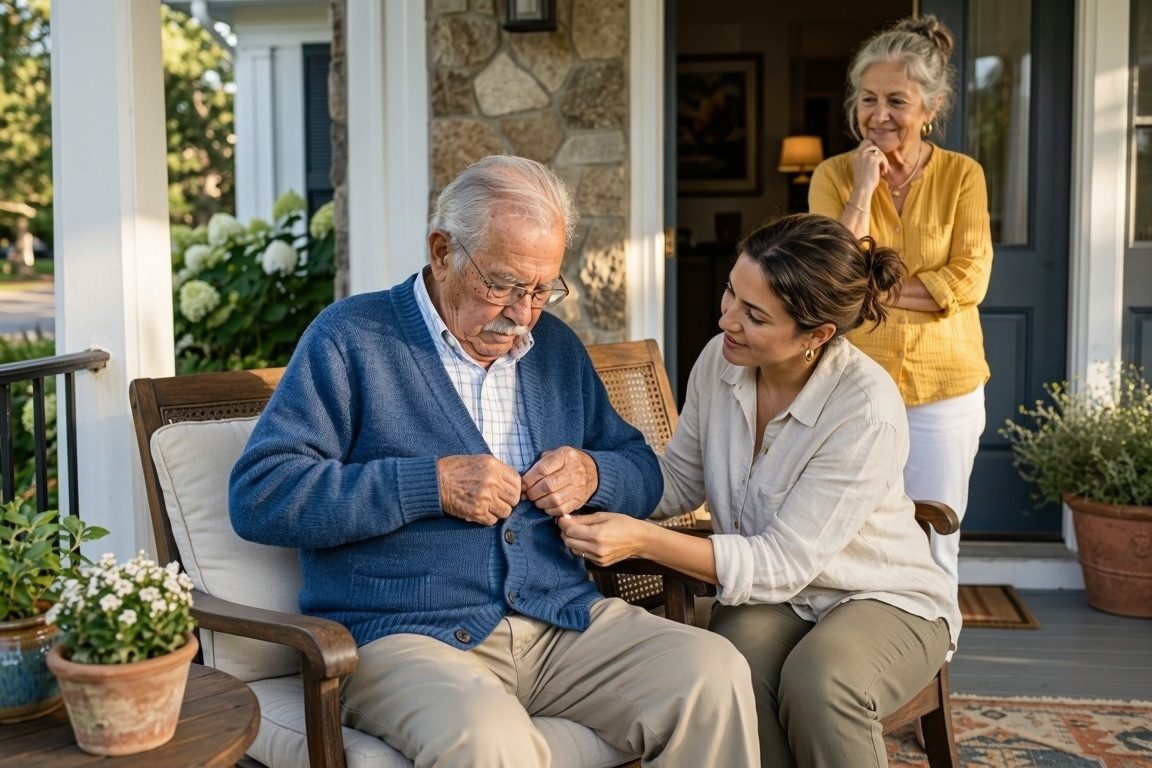
Step by step
What not to do
- Do not hire based on a polished resume or warm interview alone; a trial visit reveals genuine patience and fit better than credentials ever will.
- Do not skip background checks or bonding even when using an agency; ask specifically about nationwide criminal searches, drug screening, and bond amounts instead of accepting vague assurances.
- Do not assume a caregiver who worked well with one person will automatically suit your loved one; personality, interests, and communication style must genuinely align.
- Do not let the hiring process drain you; the goal is to restore your peace, so once the plan works, step back and trust the caregiver you vetted.
- Do not expect perfection; instead value honesty about challenges and a willingness to adapt, because dementia care is unpredictable and growth matters more than flawless performance.
Key points
- Assess your loved one's needs in six areas before you start interviewing: daily living activities, instrumental activities, safety, emotional/behavioral, social engagement, and health monitoring.
- Look for caregivers who demonstrate patience, creativity, empathy, and calmness, these are more important than years of experience alone.
- Always conduct a trial visit and observe the caregiver interacting with your loved one before making a final decision.
- Establish clear communication from the start, use a daily log or weekly check-in to stay informed without overwhelming the caregiver.
- Don't skip background checks, bonding, or drug screening, whether you hire through an agency or privately.
- Take care of yourself too, a good caregiver should reduce your stress, not add to it. If you feel constantly worried, reassess the fit.
Videos
 Top Ten Qualities to Look for in a CaregiverThis video directly lists the top qualities to seek, which reinforces the traits of patience, empathy, and calmness discussed in this guide.
 Connecting with the CaregiverThis video focuses on building a positive relationship with the caregiver, which is essential for long-term success and open communication.
 32. Navigating the Caregiver Hiring Process: Five Essential Tips / Alzheimer’s and Other DementiasThis video provides five concrete tips for hiring, including assessing needs and evaluating candidates, which directly supports the steps in this guide.
 How and when to move someone with dementia to a nursing homeWhile focused on facility placement, this video helps you understand when in-home care may no longer be sufficient, which informs your hiring timeline.
2 more videos
 Your Dementia Care Plan 2023This video explains how to create a comprehensive care plan, which is a key tool for onboarding and evaluating a caregiver.
 Being creative when caring for a loved one with dementia: Robin's StoryThis real-life story illustrates the importance of creativity in caregiving, a quality you should look for in a caregiver.
Background
Why Hiring the Right Caregiver Matters So Much
When you bring a caregiver into your home, you are building a relationship based on trust. This person will not only provide physical care but also companionship, emotional support, and a sense of safety for your loved one. According to expert sources, the top unmet needs of caregivers include keeping care recipients safe at home, managing emotional and physical stress, and finding easy activities to do with the recipient. A caregiver who is calm, patient, and empathetic can be a constant figure of safety and encouragement, which is exactly what your loved one needs most. On the other hand, a caregiver who grows impatient or frustrated can cause distress and even harm to your loved one's well-being.
The Core Qualities of an Excellent Caregiver
The best caregivers share a set of core qualities that go beyond basic skills. Patience is essential because caring for someone with dementia or Alzheimer's often requires repeating instructions, waiting through confusion, and handling unexpected behaviors without frustration. Creativity is another key trait, a great caregiver can find ways to engage your loved one using their past interests, like looking at antique car magazines if they loved cars, or using reminiscence magazines to spark memories. Empathy allows the caregiver to understand your loved one's emotional state and respond with kindness rather than impatience. Finally, a caregiver who is calm under pressure can de-escalate tense situations and maintain a peaceful environment.
The Hidden Risks: What Can Go Wrong
While many caregivers are wonderful, there are red flags to watch for. Poor communication skills can lead to misunderstandings and a lack of updates about your loved one's condition. A caregiver who is always busy and doesn't respond to messages may be overwhelmed or disorganized. Another risk is caregiver theft or financial exploitation, this is a real concern, and you should ask about background checks, bonding, and drug screening when hiring through an agency. Also, be aware that a caregiver who does not take care of their own health, such as not getting enough sleep or managing their own stress, may burn out quickly and be unable to provide consistent, quality care. Remember, you cannot take care of others well if you don't take care of yourself, and the same applies to the caregiver you hire.
Practical tools
6
Care Needs Assessment Checklist
A one-page checklist with six categories (daily living, medication/transportation, safety, emotional/behavioral patterns, social engagement, health monitoring) and space for concrete examples like 'needs help showering twice a week' or 'gets anxious by 4 p.m. and needs reassurance.'
Written Care Plan Template
A fillable template covering daily routines, medication schedule, emergency contacts, meal/activity preferences, and a communication section to specify update methods, frequency, and recipients.
Scenario-Based Interview Question List
A list of 8–10 situational questions (refusing a shower, repeated questioning, sundowning agitation, wandering) paired with sample strong answers and red flags to listen for.
Background Check & Reference Guide
A short guide listing what to verify (criminal history, driving record, references from dementia families), where to check (local sheriff, state repository, reputable online services), and exact questions to ask references about reliability, communication, and handling difficult behaviors.
Trial Visit Observation Guide
A checklist of body language, tone, respect for independence, and connection cues to watch for during the trial, with a notes section for immediate impressions.
Backup Care Plan
A one-page template listing primary backup contacts (family, neighbors, second candidate, or agency substitute line), their availability, and a protocol for who to call and what to share when the primary caregiver is unavailable.
Different situations
If your loved one has Lewy body dementia
Focus on caregivers who are especially calm and patient, as Lewy body dementia can cause dramatic fluctuations in cognition, hallucinations, and sensitivity to medications. The caregiver should be trained to recognize and respond to hallucinations without arguing or alarming the person. Avoid caregivers who are easily startled or prone to anxiety themselves. Also, ensure the caregiver understands that physical abilities can vary day to day, so they must be flexible with activities and safety precautions.
If your loved one is in late-stage Alzheimer's
Prioritize caregivers with experience in full personal care: bathing, toileting, feeding, and transferring. They should also be comfortable with end-of-life comfort measures if that becomes relevant. Communication skills become less about conversation and more about gentle touch, calm voice, and reading non-verbal cues. Look for a caregiver who is comfortable with silence and can provide a soothing presence. Also, ensure the caregiver is physically strong enough to assist with mobility and transfers.
If you are an adult child hiring for a parent
You may have a different relationship dynamic than a spouse caregiver. Be clear about your role: you are the employer, not the caregiver. Set boundaries early about decision-making and communication. You may need to be more assertive in interviews and in setting expectations. Also, consider that your parent may resist a caregiver at first, be patient and involve them in the process as much as possible. A caregiver who can build rapport with your parent while respecting your authority is ideal.
If your loved one lives in a facility and you are hiring supplemental care
Coordinate with the facility's staff to ensure the caregiver's schedule and activities complement existing care. The caregiver should be willing to follow the facility's rules and communicate with staff. Look for a caregiver who is comfortable working in a shared environment and can maintain a positive relationship with facility personnel. Also, ensure the caregiver understands the facility's policies on visitors, activities, and safety.
If you are on a limited budget or using Medicaid
Explore Medicaid waiver programs that may cover in-home care. Some states offer consumer-directed care, where you can hire a caregiver (even a family member) and Medicaid pays. If hiring privately, consider part-time or shared care (e.g., splitting a caregiver's time with another family). Be upfront about budget constraints during interviews. Look for caregivers who are willing to work flexible hours or for a lower rate in exchange for a positive work environment. Also, consider using a home care agency that offers sliding scale fees or accepts Medicaid.
For the doctor
5
- Ask your loved one's doctor: 'Given my loved one's specific diagnosis and stage, what are the most important safety concerns I should address with a caregiver?'
- Discuss with the doctor: 'Are there any medications or behavioral strategies that the caregiver should be trained to handle?'
- Ask the pharmacist: 'What are the potential interactions or side effects of my loved one's medications that the caregiver should watch for?'
- Consult with a social worker or elder law attorney: 'What are the legal and financial implications of hiring a caregiver privately versus through an agency?'
- If your loved one has a history of falls or wandering, ask the doctor: 'What specific environmental modifications or supervision levels are recommended?'