
Step by step
What not to do
- Do not wait until you are completely burned out to try respite; start early even when you think you don't need it yet.
- Do not assume adult day care is only for very independent people; many centers handle moderate to advanced dementia, so ask about their dementia-specific training.
- Do not feel guilty about taking time for yourself; respite is a necessity to keep giving good care, not a luxury.
- Do not skip an in-person visit and rely only on online reviews, you need to see the environment and observe how staff treat participants.
- Do not assume Medicare covers adult day care; original Medicare does not unless part of hospice, check your state's Medicaid plan or long-term care insurance instead.
- Do not force your loved one to stay if they remain extremely distressed after several visits; consider in-home care or a short residential stay instead.
Key points
- Adult day care gives you a real break while your loved one is in a safe, engaging environment.
- Costs range from $70 to $150 per day, but sliding-scale fees, Medicaid waivers, and church programs can help.
- Start with a trial visit and gradually increase time to help your loved one adjust.
- Use your break intentionally, rest, socialize, or attend to your own health.
- Do not wait until you are burned out; start respite early and regularly.
- Contact your local Area Agency on Aging for a list of centers and funding options in Monroe County, Michigan.
Videos
 How To Get Respite CareThis video walks through the practical steps of finding and using respite care, including adult day centers, and addresses common emotional barriers.
 What Type of Caregiver are You?Understanding your caregiving style can help you recognize when you need a break and how to ask for help without guilt.
 'HOW do I Take Care of ME?' SELF CARE 1:1:1 || TOOLS for a Dementia CaregiverOffers a simple framework (one hour a day, one day a month, one week a year) that pairs perfectly with using adult day care for your day or week off.
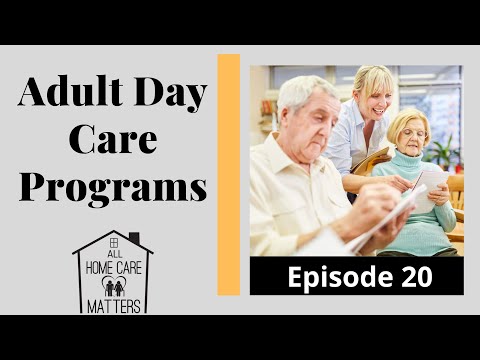 Adult Day Care ProgramsA direct overview of what adult day care programs offer, including activities, costs, and how to choose one.
2 more videos
 149. Replay: 10 Strategies to combat caregiver stress from the Alzheimer's AssociationProvides evidence-based strategies for managing stress, including the importance of respite and how to overcome guilt.
 Caregiver SacrificesAddresses the emotional cost of caregiving and why taking time for yourself is not selfish, it’s essential.
Background
What is adult day care and how does it provide respite?
Adult day care is a program where your loved one spends part or all of the day at a center, participating in structured activities, socializing with others, and receiving supervision from trained staff. This gives you, the caregiver, a block of several hours to rest, run errands, work, or simply have time for yourself. The Alzheimer’s Association explains that respite care offers a safe and supportive environment for the person with dementia while giving caregivers a temporary break to tend to their own needs. Engaging with these services not only provides essential relief but also helps strengthen your ability to continue caregiving over the long term.
Why do caregivers need this kind of break?
Caregiving is demanding. Research shows that family caregivers provide an average of 24 hours of care per week, often for years. Without breaks, stress builds up and can harm your health. The Mayo Clinic notes that many caregivers struggle with sleep and need regular health checkups. Taking a break through adult day care is one of the best things you can do for both yourself and the person you care for. It’s not selfish, it’s necessary to sustain your role.
What happens at an adult day center?
Centers vary, but most offer therapeutic exercise, mental stimulation, social activities, and help with personal care like grooming and bathroom use. Some focus on social interaction and recreation, while others provide more intensive health and therapeutic services. There are also specialized memory care centers for people with Alzheimer’s or other dementias. Programs typically run during normal business hours, Monday through Friday, though some offer weekend or evening hours. Your loved one will be in a safe, supervised environment with activities suited to their condition.
Practical tools
6
Phrases for introducing adult day care
Say 'I found a place with fun activities and nice people; let's go see it together.' If they resist: 'It's just for a little while today; I'll be back soon, and we can have lunch together.' Avoid the word 'daycare', use 'day program' or 'club' instead.
Checklist for visiting a center
Ask:
Monroe County, Michigan resource list
Contact the Monroe County Department of Aging at (734) 240-7100 for a list of licensed adult day centers; call the Area Agency on Aging 1-B at (800) 852-7795 for programs and funding options like the MI Choice Waiver.
Sliding-scale fee inquiry script
When calling a center, ask: 'Do you offer a sliding-scale fee based on income? If so, what documentation do you need?' Some centers also have scholarship funds or partner with local churches for reduced-cost days.
'One hour a day, one day a month, one week a year' plan
From Dementia With Grace:
Veterans' respite benefit contact
If your loved one served in the U.S. military, call the VA at 1-877-222-8387 or visit va.gov to ask about the respite care program, which may cover adult day care or in-home respite; a VA social worker can guide you through the application.
Different situations
For someone with early-stage Alzheimer’s
They may be more aware and feel embarrassed about going to a ‘day program.’ Frame it as a social club or volunteer opportunity. Choose a center that offers higher-level activities like discussion groups or gentle exercise. Start with a half day to build comfort.
For someone with Lewy body dementia or Parkinson’s dementia
These individuals may have fluctuating cognition, hallucinations, or movement issues. Look for a center with staff trained in these conditions. Ask about their approach to managing hallucinations, they should not use confrontation. Also ensure the environment is calm and not overstimulating.
For a spouse caregiver vs. an adult child caregiver
Spouse caregivers often feel more guilt and may worry about breaking marital vows. Remind yourself that taking a break is part of being a good partner. Adult children may struggle with work schedules, look for centers with early drop-off or late pickup. Both roles benefit from starting with one day a week.
If your loved one is on Medicaid or has limited income
Focus on centers that accept Medicaid waiver programs. In Michigan, the MI Choice Waiver can cover adult day care. Also ask about church-based ‘Caregiver Day Out’ programs that may be free or low-cost. The Area Agency on Aging can help you find these options.
If your loved one has behavioral symptoms like aggression or wandering
Choose a center that specializes in memory care and has secure outdoor spaces. Ask about their de-escalation techniques. You may need to start with a very short visit (one hour) and have staff call you if issues arise. Some centers have a nurse on site.
For the doctor
4
- Ask your loved one’s doctor if adult day care is appropriate given their current health status and any medical needs like insulin or tube feeding.
- If your loved one has frequent falls or seizures, discuss with the doctor whether the center’s staff can handle emergencies and what safety measures are needed.
- If you are feeling overwhelmed or depressed, talk to your own doctor about caregiver stress and whether counseling or medication might help.
- If your loved one has a history of wandering, ask the doctor about safety precautions and whether a GPS tracker or medical alert bracelet is recommended.