Step by step
What not to do
- Do not treat them like a child or talk about them as if absent. Speak directly, use their name, ask for input, respect is felt even without a clear answer.
- Do not rush or take over because it's faster. Let them do what they can, even if it takes ten minutes. Taking over says their help has no value.
- Do not correct every mistake. A cup in the wrong cabinet is not a crisis. Constant correction leads to frustration and withdrawal; redirect gently or let it be.
- Do not force an activity when they resist. Pushing through a 'no' often misses fatigue or confusion. Take a break or try later.
- Do not argue with their reality. If they say they need to pick up children, step into their world. Validation calms; contradiction escalates.
- Do not neglect your own health or try to do this alone. Skipping checkups, losing sleep, refusing help makes you less patient. Accept every offer of help; use respite and therapy.
Key points
- Interactive caregiving shifts from doing tasks for your loved one to doing activities with them, focusing on connection and joy, not just safety and efficiency.
- The core principle is 'process over outcome': the value is in the shared activity, not the perfect result.
- Use warm invitations instead of commands to invite cooperation and preserve dignity.
- Tailor activities to the person's current ability and mood, and be flexible as dementia changes.
- Take care of yourself first; you cannot pour from an empty cup. Use support tools and accept help.
- Small, daily adjustments can transform a stressful caregiving day into a meaningful one.
Videos
 Natalie Black the CEO of Comfort Keepers for North AmericaThis video directly discusses the human-centered model of care that goes beyond safety to include joy and purpose, which is the foundation of interactive caregiving.
 How To Feel Better In CaregivingThis video addresses the emotional side of caregiving and offers strategies to shift your mindset, which is essential for adopting an interactive approach.
 21. Meaningful Caregiver Gifts: Five Essential Tips / Alzheimer’s and Other DementiasThis video provides practical ideas for coordinating support and reducing caregiver guilt, which directly supports the interactive model by freeing up your emotional energy.
 Caregiver stress related to dementia (Subtitles in Spanish)This video explains the stress of dementia caregiving and offers validation and coping strategies, which are crucial for maintaining the patience needed for interactive care.
2 more videos
 What is Montessori for Dementia Patients (5 Ideas)This video introduces Montessori-based activities that are perfectly aligned with the interactive model, focusing on process, engagement, and success-oriented tasks.
 How To Decrease Your Stress As A Dementia Caregiver Through Dementia CoachingThis video offers coaching strategies to reduce caregiver stress, which is a prerequisite for being able to practice interactive caregiving consistently.
Background
What Is Interactive Caregiving?
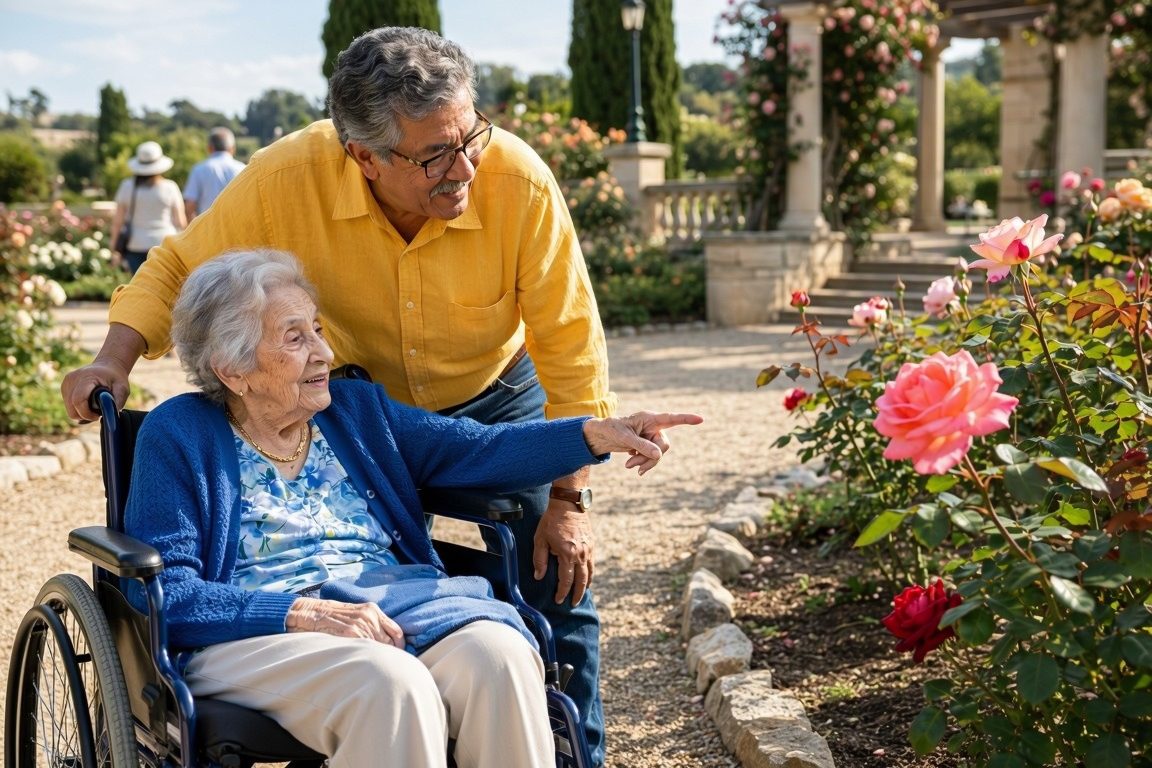
Interactive caregiving is a human-centered model that moves beyond keeping your loved one safe, fed, and clean. It recognizes that a person with dementia still needs happiness, purpose, and connection. As one care expert put it, 'It's not just keeping them safe and in their home. It's also making sure they continue to find happiness and joy in their lives throughout the remainder of their lives. They shouldn't stop living and finding enjoyment just because they're older.' This means shifting from a task-based mindset to a relationship-based mindset, where you ask, 'What does this person need from me right now?' rather than 'What do I need to check off my list?'
Why Does It Matter So Much?
When caregivers focus only on tasks, they often feel overwhelmed, and the person with dementia can feel like a passive object of care. This can lead to agitation, withdrawal, and even depression. Interactive caregiving, on the other hand, taps into the person's remaining abilities and sense of self. It reduces behavioral challenges because the person feels seen, heard, and valued. Research shows that effective care programs are tailored and flexible, taking into account the needs of both the caregiver and the person living with dementia. They also actively teach the caregiver skills to provide care at home. This model is not about perfection; it is about presence. As one expert noted, the goal is to 'present yourself as a person who can really offer care in a way that feels authentic and trustworthy.'
The Core Principle: Process Over Outcome
A key insight from the interactive model is the idea of 'process over outcome.' Many caregivers get stuck because they want the task done perfectly and quickly. But for a person with dementia, the value is in the doing, not the result. If you are folding laundry, the goal is not perfectly folded towels; the goal is the shared activity, the feeling of contribution, and the connection. As one care expert explained, you must ask yourself: 'Does the outcome matter, or does the process matter more? If the outcome really matters, perhaps that is a task you take on yourself. If it's more where the process matters and it's just about them being engaged and helpful, regardless of how they do it, they can still feel like they are helping and contributing.' This simple shift can transform a frustrating moment into a meaningful one.
Practical tools
5
The 'Invitation' Phrase Bank
Print these phrases: instead of 'You need to eat,' say 'I'm having soup, want to join me?' Instead of 'Time for a bath,' say 'Let's get warm, help me run the water?' Instead of 'Don't touch that,' say 'Let's look at this together.' Small word shifts invite cooperation.
The 'Process Over Outcome' Checklist
Before an activity ask:
Tape to fridge as a daily reminder.
Simple Joy Activity Cards
Make a box of index cards, each with a low-prep activity: 'Sort buttons by color,' 'Fold washcloths together,' 'Hum along to one song,' 'Look at a photo album for five minutes,' 'Water one houseplant.' Pull a card when stuck to cut decision fatigue.
The 'Yes' Environment Setup
Designate a low safe shelf stocked with items they can use alone:
Pre-stage the room (e.g., pre-cut vegetables on counter) so saying 'yes' to participation is the easiest path.
A Shared Help Calendar
Use a shared online calendar or paper notebook where family and friends sign up for specific tasks:
Pair each offer with something concrete so the giver feels useful and you feel supported.
Different situations
Early-stage Alzheimer's or mild cognitive impairment
In early stages, the person is often aware of their diagnosis and may feel anxious or depressed. Interactive caregiving here means involving them in planning their own care. Ask, 'What activities still feel good to you?' and 'How can I help you stay connected to the things you love?' Use the 'process over outcome' tool to let them lead as much as possible. Avoid taking over tasks they can still do, even if it takes longer.
Middle-stage dementia (moderate cognitive decline)
At this stage, communication is harder, and the person may have trouble initiating activities. Use the 'Invitation' phrase bank heavily. Keep activities very short (5-10 minutes) and simple. Focus on sensory experiences: a hand massage with scented lotion, listening to music from their youth, or looking at a familiar photo album. The goal is comfort and connection, not skill-building. Be prepared to pivot quickly if they become agitated.
Late-stage dementia (severe cognitive decline)
In late stages, the person may be bedbound or have very limited verbal communication. Interactive caregiving becomes about gentle presence. Talk to them in a calm voice, even if they cannot respond. Play soft music, hold their hand, or brush their hair slowly. Use the 'sandwich' approach for any necessary care tasks. Your presence and gentle touch are the activity. Do not force interaction; just be there.
Lewy body dementia or Parkinson's dementia
These conditions often involve hallucinations, movement difficulties, and extreme fluctuations in alertness. Interactive caregiving must be highly flexible. If they are having a 'good' moment, invite a simple activity. If they are confused or seeing things, do not argue; instead, validate their feeling ('That must be scary') and redirect to a safe, familiar activity. Avoid activities that require fine motor control if they are stiff or trembling. Focus on music, gentle rocking, or looking at a simple picture book.
Spouse caregiver vs. adult child caregiver
Spouse caregivers often struggle with role reversal and grief over the lost partner. Interactive caregiving can help you find new ways to connect, like looking at wedding photos or listening to 'your song.' Adult children may feel guilt or resentment. Use the 'process over outcome' tool to let go of the need to 'fix' everything. Both roles benefit from the 'Caregiver Support Coordination Tool' to share the load and reduce isolation.
For the doctor
4
- If your loved one becomes agitated or aggressive during interactive activities, discuss with your clinician whether a change in medication or a referral to a behavioral specialist is appropriate.
- If you notice your own stress levels are leading to physical symptoms (headaches, chest pain, changes in appetite), discuss with your clinician whether a caregiver support group, therapy, or a medical checkup is needed.
- If your loved one has a history of falls, discuss with your clinician which activities are safe and whether any environmental modifications (like removing rugs or adding grab bars) are recommended before starting new physical activities.
- If your loved one is on medications that affect mood or alertness (e.g., antipsychotics, sedatives), discuss with your clinician how these might impact their ability to engage in interactive activities and whether timing adjustments could help.