
Step by step
What not to do
- Do not give antipsychotics for behavioral symptoms without first trying non-pharmacologic strategies and obtaining specialist approval.
- Do not use over-the-counter sleep aids or allergy medicines containing anticholinergics (e.g., diphenhydramine, doxylamine).
- Do not stop any prescription medication abruptly; always taper under medical supervision.
Key points
- Avoid anticholinergic drugs (Benadryl, Tylenol PM, bladder control meds), they worsen confusion and fall risk.
- Benzodiazepines (Xanax, Ativan) are generally not recommended due to fall risk, confusion, and paradoxical agitation.
- Antipsychotics carry a black box warning for increased mortality in dementia; use only with extreme caution and at lowest dose.
- Haloperidol (Haldol) is especially dangerous in FTD, CBS, and PSP, it can cause severe parkinsonism.
- Always review all medications (including OTC and supplements) with a pharmacist or doctor for interactions and anticholinergic burden.
- Non-drug approaches (routine, calming environment, redirection) should be tried first for sleep, anxiety, and agitation.
Videos
 Dementia Therapies and InterventionsProvides an overview of non-drug therapies that can help manage behavioral symptoms without risky medications.
 Time with Teepa - FTD-ALS and wait there is more.Teepa Snow discusses the unique challenges of FTD-ALS, including medication sensitivity and care strategies.
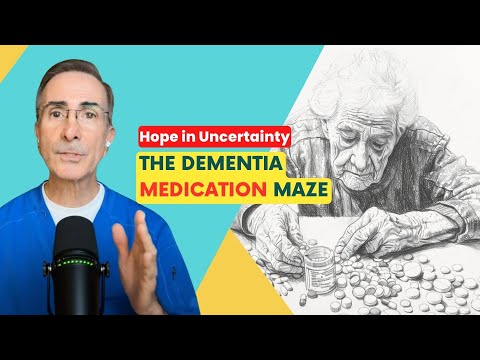 Dementia Medications ExplainedExplains how common dementia medications work and why some should be avoided in certain types of dementia.
 Medications Used in Dementia: What Caregivers Should Know | Sarah Mourra MD | UCLAMDChatA doctor-led discussion on safe medication use in dementia, including risks of antipsychotics and anticholinergics.
2 more videos
 Management of Comorbid Symptoms that Interfere with Sleep in the Older AdultOffers non-drug strategies for sleep problems, which is especially important to avoid risky sleep aids.
 Lewy Body Dementia: Navigating Diagnosis, Care Strategies, and Essential SupportAlthough focused on LBD, the medication cautions (especially antipsychotics) are very relevant to FTD and related disorders.
Background
Why Medication Sensitivity Is Higher in FTD and Related Disorders
People with FTD, ALS-FTD, CBS, and PSP often have damage to brain regions that control movement, behavior, and thinking. This makes them especially vulnerable to medications that affect the brain, such as anticholinergics, benzodiazepines, and antipsychotics. For example, anticholinergic drugs, found in many over-the-counter sleep aids, allergy pills, and bladder control medications , block acetylcholine, a chemical needed for memory and thinking. In dementia, this can cause sudden confusion, worsening memory, and increased fall risk. Similarly, benzodiazepines (like Valium or Xanax) can cause sedation, poor balance, and even paradoxical agitation, where the person becomes more restless instead of calmer.
The Special Risks of Antipsychotics in FTD and Related Disorders
Antipsychotic medications carry a black box warning from the FDA about increased risk of death in older adults with dementia-related psychosis. In FTD and related disorders, the risks are even higher. Conventional antipsychotics like haloperidol (Haldol) can cause severe parkinsonism, stiffness, tremors, and immobility , that can last days or weeks after a single dose. Atypical antipsychotics like risperidone, olanzapine, and quetiapine also raise the risk of stroke, metabolic problems (weight gain, diabetes), and movement disorders. In PSP and CBS, where movement problems are already present, these drugs can worsen symptoms dramatically. Always discuss with your clinician before starting or stopping any antipsychotic.
Why Cholinesterase Inhibitors and Anticholinergics Should Not Be Combined
Cholinesterase inhibitors (like donepezil, rivastigmine, and galantamine) are sometimes prescribed for dementia to boost acetylcholine levels. However, if your loved one is also taking an anticholinergic drug, such as diphenhydramine (Benadryl), oxybutynin (Ditropan), or certain tricyclic antidepressants , the two medications work against each other. The anticholinergic blocks the very acetylcholine the cholinesterase inhibitor is trying to increase, making the dementia treatment ineffective and potentially causing confusion, falls, and other side effects. Always review all medications , including over-the-counter ones , with your pharmacist or doctor to avoid this dangerous combination.
Practical tools
2
Anticholinergic Cognitive Burden Scale
A reference list of medications with anticholinergic activity, useful for reviewing a patient's full medication list.
FDA Black Box Warning on Antipsychotics
Full FDA warning document about increased mortality risk in older adults with dementia-related psychosis, applicable to FTD and related disorders.
Different situations
If your loved one has ALS-FTD
Be extra cautious with medications that affect breathing or swallowing. Avoid anticholinergics that can worsen dry mouth and swallowing problems. Some ALS medications (like riluzole) may interact with other drugs. Always inform the neurologist about all medications, including those for ALS symptoms. Also, watch for increased sensitivity to sedatives, which can worsen respiratory function.
If your loved one has PSP or CBS
Avoid all dopamine-blocking medications (like haloperidol, metoclopramide, prochlorperazine) because they can severely worsen parkinsonism and cause severe stiffness. Be very cautious with any medication that can cause orthostatic hypotension (low blood pressure upon standing), as falls are already a high risk. Ask the doctor about using a transdermal patch (like rivastigmine) if swallowing is difficult.
If your loved one is in a facility (nursing home or assisted living)
Advocate strongly against the use of antipsychotics for behavioral symptoms unless absolutely necessary and for a short time. Facilities may be pressured to use these drugs for 'behavior management.' Ask for a non-drug behavior plan first. Also, ensure the facility's pharmacy does a regular medication review for anticholinergic burden and drug interactions.
If you are a spouse vs. an adult child caregiver
Spouses may feel more comfortable questioning medications, but adult children might need to be more assertive with doctors. Both roles should bring a medication list to every appointment and ask specific questions. If you feel dismissed, ask for a second opinion or a geriatric pharmacist consult. You have the right to understand every medication.
If your loved one is on Medicaid or has limited insurance
Some safer medications may be more expensive. Ask the doctor or pharmacist about generic alternatives or patient assistance programs. Do not switch to a cheaper but riskier drug without discussing the trade-offs. Also, check if your state's Medicaid program covers medication therapy management (MTM), a free service where a pharmacist reviews all medications for safety.
For the doctor
7
- Ask your doctor: 'Is my loved one on any anticholinergic medication? If so, can we safely stop it or switch to a safer alternative?'
- Ask your doctor: 'If we need to use an antipsychotic, which one is safest for FTD/CBS/PSP? What is the lowest effective dose, and how long should we try it?'
- Ask your doctor: 'What are the signs of a medication side effect I should watch for, and when should I call you?'
- Ask your pharmacist: 'Can you review all of my loved one's medications for potential drug-drug interactions, especially with over-the-counter drugs and supplements?'
- Ask your doctor: 'Is it safe to use melatonin for sleep? What dose is appropriate for someone with FTD?'
- Ask your doctor: 'If my loved one has trouble swallowing, can any of their medications be given in liquid, patch, or dissolvable form?'
- Ask your doctor: 'What is the safe dose of acetaminophen for my loved one, given their liver health and any other medications they take?'