Step by step
What not to do
- Do not try to reason or explain the science of COVID-19 to someone with moderate or severe dementia. They likely cannot understand or remember the information, and it may cause frustration or anxiety.Instead, use simple, concrete instructions: 'Let's wash our hands now' or 'Time to put on your soft face cover.'
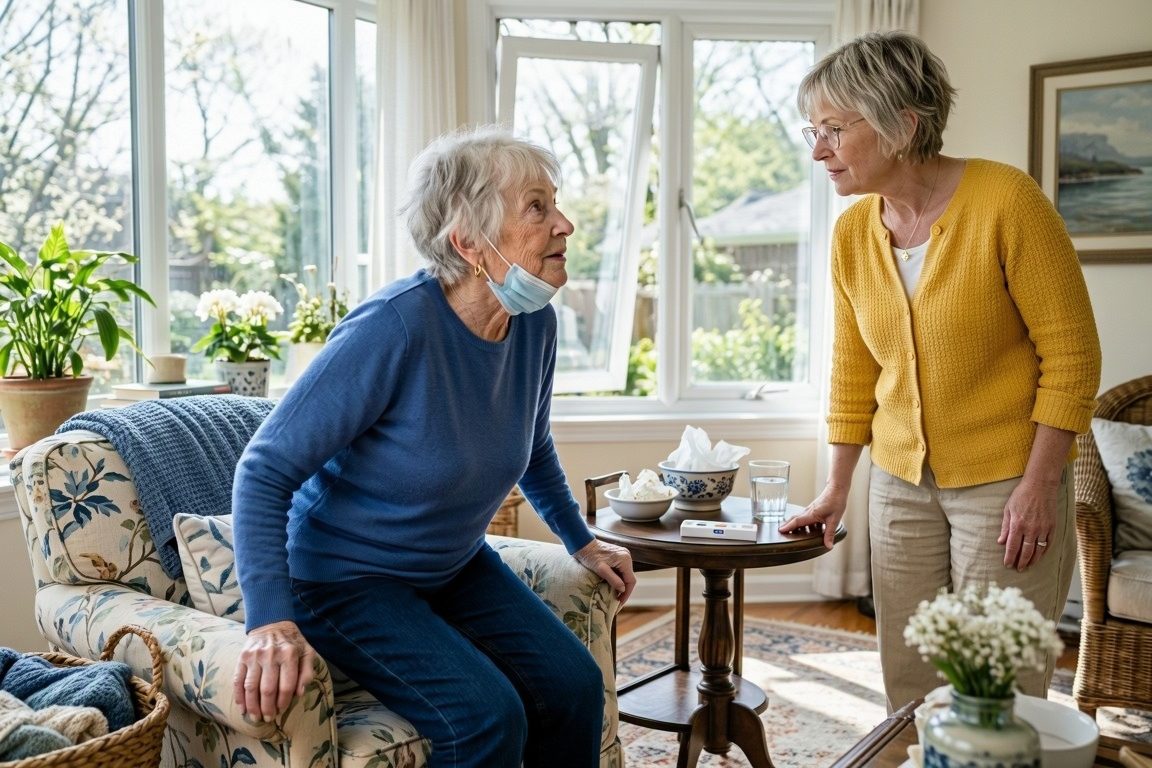
- Do not force a mask on someone who is agitated or frightened. This can escalate into a behavioral crisis and may lead to them refusing all care.Instead, try a face shield, increase distance, improve ventilation, or wear a mask yourself and keep interactions brief. If they are calm, you can try again later.
- Do not isolate the person in a room alone for long periods. Isolation can worsen confusion, depression, and agitation.Instead, create a safe, engaging environment within the home. Use activities, music, or simple tasks to keep them connected. If you must quarantine them due to exposure, stay in the same room with a mask and open windows for ventilation.
- Do not assume that a change in behavior is just 'part of dementia.' A sudden increase in confusion, sleepiness, or agitation can be a sign of infection or delirium. Call the doctor. Delirium in older adults with COVID-19 is common and serious. Early treatment can prevent complications.
- Do not skip your own health precautions. Caregivers often neglect their own needs, but if you get sick, you cannot care for your loved one. Get vaccinated, wear a mask in public, wash your hands, and take breaks. Ask for help. Your health matters.
- Do not change medications or start new treatments without discussing with the doctor. Some medications can affect the immune system or interact with COVID-19 treatments. Always consult the clinician before making changes.
Key points
- COVID-19 poses unique risks for people with dementia due to cognitive and behavioral challenges.
- Adapt standard precautions (handwashing, masking, distancing) to the person's abilities and preferences.
- Never force a mask or isolation, it can cause distress and worsen behavior.
- Monitor daily for subtle signs of illness, as dementia can mask symptoms.
- Have a written emergency plan and go-bag ready.
- Caregivers must prioritize their own health and seek support.
- Always consult the doctor before changing medications or starting new treatments.
Background
Why COVID-19 Is Especially Hard to Manage in Dementia Care
People living with dementia face a double challenge during COVID-19. First, their cognitive impairment makes it difficult to understand, remember, or follow public health recommendations like hand hygiene, social distancing, or staying home. Someone with moderate or severe dementia may not grasp why they need to wash their hands frequently or why they can't hug a family member. They may forget instructions moments after hearing them. This isn't stubbornness, it's the disease affecting the parts of the brain that handle memory and reasoning.
Second, behavioral and psychological symptoms of dementia , such as motor agitation, intrusiveness, or wandering , can directly work against isolation. A person who feels restless may walk out the door repeatedly, not understanding the risk. Someone who is confused may become anxious when kept in a small space, leading to agitation or attempts to leave. These behaviors are not deliberate; they are symptoms of a brain that is struggling to process the world. The result is that people with dementia are more exposed to the virus, both from caregivers who must come close to provide care and from their own difficulty maintaining distance.
Research suggests that dementia is linked to a substantially higher risk of COVID-19 infection. For example, a 2021 study from the UK Biobank found a 60% higher risk in people with dementia compared to those without, though other factors like age and living conditions also play a role. The risk of severe illness and death is also elevated, partly because dementia often coexists with other conditions like heart disease, diabetes, or lung problems, and partly because the immune system may be less resilient in older adults with chronic illness. This means that a COVID-19 infection in someone with dementia is more likely to lead to hospitalization or complications.
Finally, the care environment itself can be a source of risk. People with dementia who live in nursing homes or receive home care services are in close contact with multiple caregivers, which increases the chance of exposure. During the pandemic, many care communities went into lockdown, but that isolation brought its own harms: confusion, fear, and worsening of dementia symptoms due to lack of familiar faces and routines. Balancing infection prevention with compassionate, person-centered care is the central challenge.
What Makes a COVID-19 Care Plan Different for Dementia
A standard COVID-19 care plan for an older adult might focus on vaccination, handwashing, masking, and limiting visitors. For someone with dementia, each of these steps must be adapted to their cognitive and behavioral needs. For example, you can't simply tell someone to 'wash your hands for 20 seconds' and expect them to do it correctly. You may need to guide their hands under the water, sing a familiar song together, or use a visual cue like a picture of soap. Masking can feel frightening or claustrophobic to someone who doesn't understand why you're covering their face. You may need to practice wearing a mask for short periods, use a mask with a fun pattern, or find a comfortable alternative like a face shield.
The care plan must also account for the fact that dementia symptoms can change day to day, and that the person's ability to cooperate will vary. A plan that worked last week may fail today. Flexibility is key. The plan should include backup strategies for common scenarios: what to do if the person refuses to wear a mask, how to redirect if they try to leave the house, how to keep them engaged in activities that don't require close contact with others.
Crucially, the care plan must be written down and shared with everyone who provides care, family members, paid caregivers, neighbors who help out. Consistency across caregivers reduces confusion for the person with dementia. The plan should include the person's preferences, routines, and known triggers, so that caregivers can anticipate and prevent distress. For example, if the person becomes agitated when they see someone in a mask, the plan might note that the caregiver should put on the mask in another room and then approach calmly, using a familiar greeting to reassure.
Finally, the plan should include a section on what to do if the person develops symptoms of COVID-19. Because dementia can mask early signs of illness , the person may not be able to tell you they feel unwell , you need to watch for subtle changes: increased confusion, sleepiness, loss of appetite, or a new behavior like pulling at clothing. These can be early signs of infection or of delirium, a sudden confused state that is common in older adults with COVID-19. Delirium is a medical emergency and requires immediate attention.
Practical tools
6
Visual Handwashing Chart
Create a simple 4-step picture chart:
Laminate it and place it above the sink. Use pictures of the person's own hands if possible, or use simple clip art. This reduces the need for verbal instructions and can be followed even when the person is confused.
Door Alarm or Motion Sensor
Install a simple, battery-operated door alarm that chimes when the door opens. This alerts you if the person tries to leave. You can also use a motion sensor light or a bell on the door handle. For a low-tech option, place a strip of dark tape on the floor in front of the door, many people with dementia will pause at the visual change. Pair this with a redirection activity: keep a basket of favorite items (a soft scarf, a photo album, a fidget toy) near the door to gently guide them away. Ensure any lock or alarm can be quickly disengaged in an emergency (e.g., fire) and does not trap the person.
Emergency Go-Bag for Hospital Visits
Prepare a small bag that stays by the door. Include:
If the person is hospitalized, this bag helps staff provide better care and reduces the person's confusion.
Phrases to Say When They Refuse a Mask
Instead of arguing, try: 'This is a special soft cloth for your face, let's see how it feels.' Or 'I'm wearing mine too , we match!' If they still refuse, say: 'That's okay, let's sit by the open window instead.' Then increase distance and ventilation. Never force. If they are calm later, you can try again with a different mask or a face shield.
Daily Check-In Checklist
Print a simple checklist to use each morning and evening:
If you answer 'yes' to any, call the doctor. This helps catch early signs of infection that might otherwise be missed.
Video Call Setup for Social Connection
Use a tablet or phone on a stand so the person doesn't have to hold it. Schedule calls at the same time each day (e.g., after breakfast). Keep calls short (5-10 minutes). Use a familiar voice on the other end. If the person becomes confused, switch to a simple phone call or look at photos together instead. The goal is connection, not technology.
Different situations
Late-stage dementia (unable to follow instructions, bedbound, or needing full care)
Focus entirely on caregiver precautions: wear a mask, wash hands before and after care, and limit the number of caregivers. The person may not be able to cooperate with handwashing or masking, so you must protect them by protecting yourself. Monitor for signs of illness through changes in breathing, temperature, or alertness. Have a low threshold for calling the doctor. Use a no-touch thermometer. If they are bedbound, ensure good ventilation in the room and keep surfaces clean.
Lewy body dementia (with Parkinson's-like symptoms, hallucinations, or sensitivity to medications)
Be extra cautious with fever-reducing medications, some can worsen confusion or movement problems. Always discuss with the doctor before giving any new medication. Hallucinations may increase with fever or infection, so be prepared to reassure the person gently. Avoid sudden changes in routine, as this can trigger severe confusion. Use familiar objects and calm voices. If they need to wear a mask, choose a very lightweight one and practice for short periods.
Frontotemporal dementia (often with behavioral changes, loss of empathy, or repetitive movements)
The person may not care about social distancing or may become agitated if asked to stay home. Use redirection: if they want to go out, suggest a short walk in a quiet area where you can maintain distance. Use simple, direct language: 'We are staying home today. Let's look at your photos.' Avoid lengthy explanations. If they refuse to wash hands, try a hand sanitizer with a pleasant scent or a wet wipe. Be patient, they are not being difficult on purpose.
Spouse caregiver vs. adult child caregiver
Spouse caregivers may be older themselves and at higher risk for severe COVID-19. They should prioritize their own vaccination and health. They may also struggle with the emotional burden of isolating from their partner. Adult children may have more energy but also more competing responsibilities (work, children). Both should ask for help and not try to do everything alone. Spouse caregivers may need to use respite services or home care aides, but ensure those aides follow strict infection control. Adult children can coordinate with siblings to share caregiving tasks.
For the doctor
6
- Ask the doctor: 'Is my loved one up to date on all recommended COVID-19 vaccines and boosters, given their age and health conditions?'
- Ask the doctor: 'Are there any medications my loved one is taking that could affect their immune response or interact with COVID-19 treatments?'
- Ask the doctor: 'What fever-reducing or other medications are safe to use if my loved one develops symptoms, especially given their dementia type (e.g., Lewy body)?'
- Ask the doctor: 'What specific symptoms should I watch for that might indicate COVID-19 or delirium, and when should I seek emergency care?'
- Ask the doctor: 'If my loved one needs to be hospitalized, what should I include in their go-bag to help staff provide dementia-friendly care?'
- Ask the doctor: 'Are there any local resources or support groups for dementia caregivers that you recommend?'