Step by step
What not to do
- Do not try to 'fix' everything yourself. Dementia is managed, not solved. Delegate one task per week to someone else.
- Do not avoid asking for help with intimate care. Call a home health agency and ask for a 'bath aide' twice a week rather than letting hygiene problems escalate.
- Do not use confrontation or logic when the person is agitated. It escalates. Instead use redirection: 'I see you are upset. Let's go look at the garden.'
- Do not wait until crisis to seek help. Call the Alzheimer's Association helpline early, even just with general questions.
- Do not neglect your own health. Schedule your annual physical and set reminders for self-care.
Key points
- Male caregivers often have a direct, problem-solving style that can be effective, but they are at higher risk for isolation and burnout.
- Intimate care tasks like bathing and toileting are common stumbling blocks; do not hesitate to ask for professional help.
- Using simple scripts and routines can reduce agitation and make daily care more manageable.
- Self-care is not optional, schedule 15 minutes a day for yourself and do not skip it.
- Support groups for male caregivers exist and can be a lifeline; even introverts benefit from listening.
- Planning ahead for legal, financial, and care needs reduces future stress and gives you a sense of control.
Videos
 What Is Caregiver Burden During Dementia Progression? - TestThis video explains the concept of caregiver burden and how it builds over time, which is especially relevant for male caregivers who may not recognize early signs of burnout.
 Ep. 203: Let's Talk About The Imbalance of Female versus Male Care Partners in Care FacilitiesThis episode directly addresses the gender imbalance in care settings and offers insights into how male caregivers can navigate environments that are often female-dominated.
 Why Do Dementia Caregivers Experience Burnout And Depression? - TestThis video breaks down the causes of burnout and depression, helping male caregivers understand that their feelings are normal and that there are concrete steps to address them.
 Manage dementia caregiver stress: 4 tips to cope with difficult dementia behaviorsThis video offers four practical tips for managing difficult behaviors, which is a common challenge for male caregivers who may feel unprepared for emotional outbursts.
2 more videos
 How Does Doll Therapy Help Dementia?Doll therapy can be a surprisingly effective tool for reducing agitation and providing comfort. This video explains how it works and how to introduce it, which can be especially useful for male caregivers who may be skeptical at first.
 Caregiver Stress and Depression, Dr. Helen Lavretsky - | UCLAMDChatThis expert-led webinar covers caregiver stress and depression in depth, offering evidence-based strategies that are directly applicable to male caregivers.
Background
The Unique Position of Male Caregivers
Male caregivers in dementia care often bring a pragmatic, task-oriented mindset that can be a real asset. Research and expert observations show that men may be less likely to engage in social support networks or community groups, which can lead to feelings of isolation and loneliness (source 2, 3). Yet, when they do interact, their presence can be surprisingly magnetic: a male caregiver may find that both male and female care recipients respond positively to them, creating a 'magnetic personality' effect that eases engagement and reduces resistance (source 2). This can be especially helpful when a person with dementia is anxious or withdrawn, as a calm, non-pushy male presence can feel less threatening and more grounding.
Common Challenges for Male Caregivers
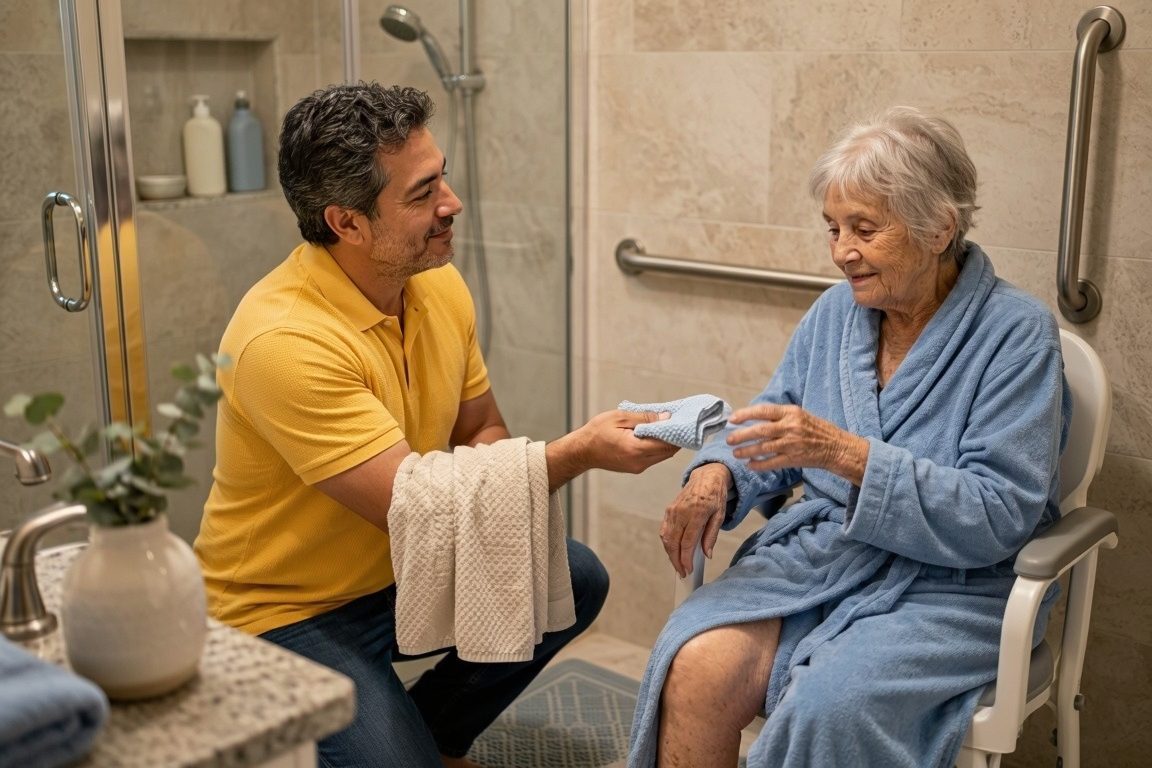
Male caregivers often report feeling overwhelmed when dementia progresses to the point of needing intimate care, such as bathing, dressing, or managing incontinence. As one expert notes, many men reach a point where they say, 'I don't know how to get this to work well' or 'I've never been in a care role before in that intimate care role' (source 13). This can lead to a crisis point where the caregiver feels they cannot continue without professional help. Additionally, male caregivers may be less likely to ask for help or admit they are struggling, which increases the risk of burnout, depression, and physical health decline (source 3, 8). The progressive nature of dementia means that the demands on the caregiver only increase over time, making it essential to address these challenges early (source 4).
Building on Strengths, Overcoming Hurdles
The good news is that male caregivers can learn to leverage their natural strengths while developing new skills. Their direct, problem-solving approach can be channeled into creating structured routines, using practical tools, and finding efficient ways to manage daily tasks. Many male caregivers also find satisfaction in focusing on what their loved one can still do, rather than what has been lost, which can reduce feelings of burden (source 12). By understanding that the care recipient cannot reciprocate and expecting nothing in return, men can shift their perspective toward a more positive caregiving experience (source 12). The key is to combine this mindset with practical strategies and a willingness to seek support when needed.
Practical tools
5
The 'Three-Question Check-In'
Every morning ask:
If any answer is 'no,' that is your priority. This prevents burnout by catching early warning signs.
The 'Redirection Script'
When your loved one becomes upset, say: 'I can see you are feeling [name emotion, e.g. frustrated]. Let's take a break and [simple activity, e.g. sit by the window].' Then guide them gently by the arm. This validates feelings without arguing.
The 'Care Notebook'
Over time patterns emerge and you feel more in control.
The 'Male Caregiver Phone Script'
When calling for help say: 'I am caring for [name] and need a hand. Could you [specific task, e.g. pick up my prescription] this week? It would really help.' Being specific makes it easier for others to say yes.
The 'Environment Setup' for Safety
These simple changes reduce accidents and your worry.
Different situations
If you are caring for a spouse with dementia
Spousal caregivers often experience a profound sense of loss as the relationship changes. Focus on finding new ways to connect, such as holding hands while watching a show or looking at old photos. Many spouses find that accepting that their partner cannot reciprocate reduces frustration (source 12). Also, consider joining a spousal support group specifically for men.
If you are an adult son caring for a parent
Adult children may struggle with role reversal and feelings of guilt. It can help to set clear boundaries: 'I am your son, and I am here to help you, but I am not your parent.' Use the 'help me with the trash' technique from source 15 to give your parent a sense of purpose. Also, consider involving siblings in specific tasks to share the load.
If the person with dementia is in early stages
In early stages, focus on planning together. Discuss legal, financial, and care preferences while your loved one can still participate. Use simple language: 'Let's talk about what you would want if you got sicker.' This reduces future stress. Also, encourage your loved one to stay active in hobbies they enjoy, as this preserves their identity and reduces your burden.
If the person with dementia has behavioral symptoms like aggression or anxiety
These symptoms add layers of complexity (source 1). Use the 'Redirection Script' tool above consistently. If aggression occurs, step back and give space. Never argue. Call the Alzheimer's Association helpline for specific strategies for aggression. Also, talk to your doctor about whether medication might be appropriate for severe symptoms, this is a discussion for your clinician.
If you are caring for someone with Lewy body dementia
Lewy body dementia often includes visual hallucinations and extreme fluctuations in alertness. Do not argue about hallucinations; instead, say 'I see that is upsetting you. Let me help you feel safe.' Also, be aware that these individuals are very sensitive to medications, so any new drug should be started at a low dose and monitored closely. Discuss all medication changes with your clinician.
For the doctor
5
- Ask your doctor about whether an antidepressant or anti-anxiety medication might help you manage your own stress or depression. Do not start any medication without a prescription.
- If the person with dementia has severe aggression, hallucinations, or sleep disturbances, ask the doctor about medications that might help, such as low-dose antipsychotics or sleep aids. These require careful monitoring.
- Ask about a referral to a geriatric care manager who can assess your home situation and recommend specific services. This is especially helpful if you feel stuck.
- If you are experiencing physical symptoms like chest pain, shortness of breath, or severe fatigue, see a doctor immediately. Caregiver stress can cause real physical harm.
- Discuss the possibility of respite care with your clinician. They can provide a prescription for home health aide services or recommend local programs that offer temporary relief.