
Step by step
What not to do
- Do not argue or try to reason with them. Their brain can't process logic during agitation. Arguing only makes them more upset.Instead, validate their feelings: 'I know you're frustrated.'
- Do not corner, crowd, or restrain them. This triggers a fight-or-flight response. Give them space and let them move freely if safe.
- Do not take it personally. The agitation is not about you. It's a symptom of the disease. Stay calm and remember they are not in control.
- Do not use physical force to complete a task. If they resist bathing or dressing, stop and try again later. Forcing leads to trauma and more agitation.
- Do not ignore pain. Many people with dementia can't say they hurt. Look for signs like grimacing, moaning, or guarding a body part. Treat pain promptly.
Key points
- Agitation is a distress signal, not bad behavior.
- Always check for unmet needs first: pain, hunger, thirst, bathroom.
- Remove triggers: noise, glare, crowds, arguments.
- Use calm voice, offer choices, redirect to soothing activities.
- Never restrain, it escalates fear and injury risk.
- Take care of yourself: your calm is their calm.
Videos
 Caregiver Training: Agitation and Anxiety | UCLA Alzheimer's and Dementia Care ProgramShows real-life scenarios and step-by-step de-escalation techniques from a leading medical center.
 Why Do Elderly Parents With Dementia Become AgitatedExplains common triggers from the caregiver's perspective and offers practical fixes.
 Managing Caregiver Stress & BurnoutHelps you manage your own stress so you can stay calm during agitation episodes.
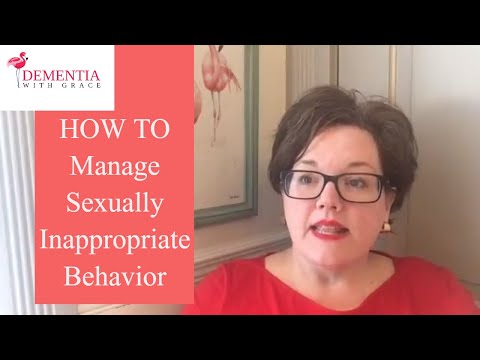 HOW TO Manage Sexually Inappropriate Behavior in People with DementiaCovers a specific type of agitation that can be especially challenging and how to respond without shaming.


Background
What Is Agitation and Why Does It Happen?
Agitation isn't just 'bad behavior', it's a sign that something is wrong. A person with dementia may feel scared, frustrated, or overwhelmed because they can't communicate what they need. Common causes include pain, hunger, thirst, boredom, being too hot or cold, or feeling trapped during care tasks like bathing or dressing. The person isn't trying to be difficult; they're reacting to a world that no longer makes sense to them. When you see agitation, think of it as a distress signal, not a personal attack.
Why Restraints Make Things Worse
Restraints, whether physical like bed rails or chemical like sedatives , often increase fear and escalate agitation. A person who feels trapped may fight harder, leading to injury for both of you. Instead, the goal is to remove the trigger and offer comfort. Non-drug approaches work better and keep the person's dignity intact. Even when medication is needed, it should be a last resort, not a first response.
Practical tools
5
Calming Phrases to Say
Keep these phrases handy: 'I'm here with you.' 'You're safe.' 'Let's take a break.' 'Would you like some water?' 'I see you're upset. Let's sit down.' Avoid 'calm down' or 'stop that.'
Sensory Soothers
A soft blanket, a favorite stuffed animal, a warm drink, or gentle hand massage can comfort. Some people respond to weighted blankets or calming music playlists.
The 'Redirection' Checklist
When agitation starts, run through this:
Environment Setup
Create a calm space:
Remove clutter and keep a predictable routine. Limit visitors if overstimulation is a trigger.
The 'Pause and Return' Technique
If you feel yourself getting frustrated, step away for 2-3 minutes. Take deep breaths, then return with a fresh face and a smile. Your calm presence can reset the mood.
Different situations
Late-stage dementia (bedridden or very limited communication)
Focus entirely on physical comfort: check for pain, reposition, offer a drink, use gentle touch. Speak softly even if they don't respond. Agitation may be the only way they can signal distress.
Lewy body dementia (fluctuating cognition, visual hallucinations)
Be extra cautious with lighting and shadows, they can cause fear. Validate hallucinations without arguing: 'I see you're scared. I'm here.' Avoid antipsychotics if possible due to severe side effects.
Care facility setting
Work with staff to create a consistent routine. Ask for the same caregivers when possible. Use a 'This Is Me' sheet to share triggers and calming strategies. Advocate for non-drug approaches first.
Spouse vs. adult child caregiver
Spouses may feel more personally hurt by agitation. Remember it's the disease. Adult children may need to set firmer boundaries for their own mental health. Both benefit from support groups.
Home care with limited resources
Use free tools: nature sounds from YouTube, walks outside, simple household tasks like sorting socks. Reach out to local Alzheimer's Association for free training and respite care.
For the doctor
4
- If agitation is new or sudden, ask the doctor to rule out delirium, infection, or medication side effects.
- If non-drug approaches fail after several weeks, discuss whether a low-dose medication might help, but ask about risks like falls or sedation.
- Ask about pain management: many people with dementia are undertreated for pain, which fuels agitation.
- If you are considering any restraint (physical or chemical), get a second opinion and document all discussions with the doctor.