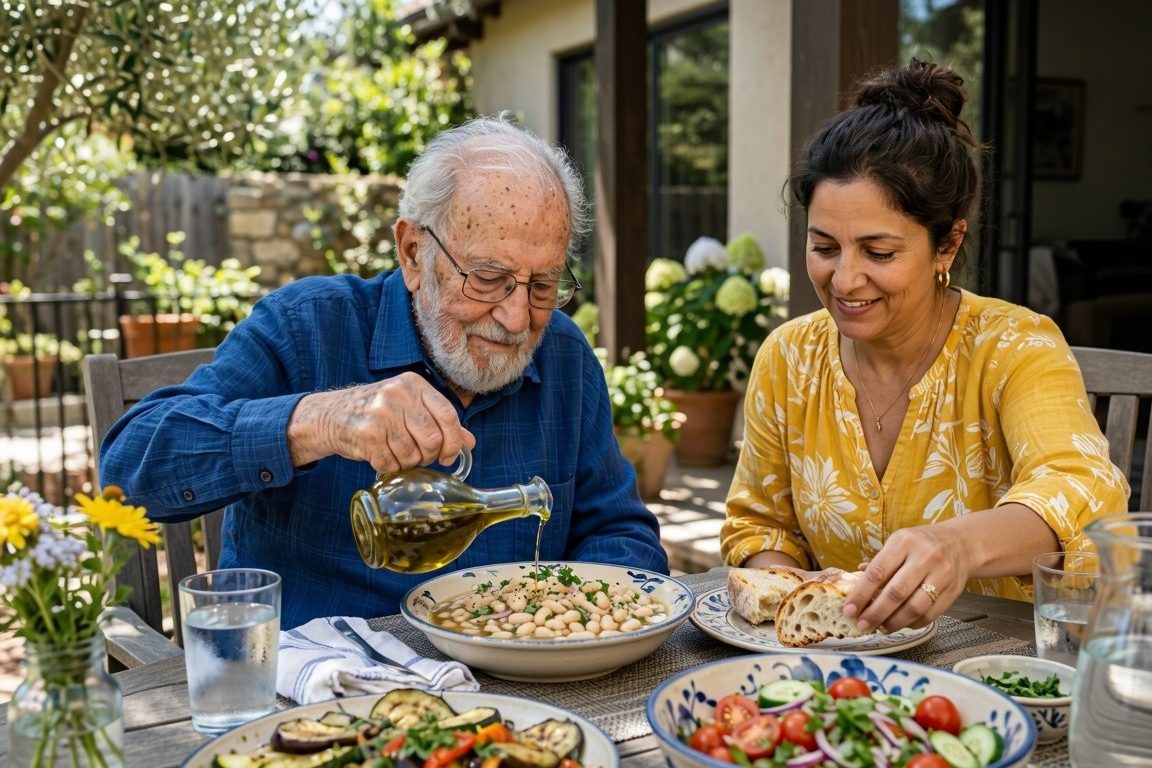
Step by step
What not to do
- Don't treat EVOO as a cure for dementia or a replacement for prescribed medications, it is a supportive dietary choice that works best alongside medical care, physical activity, and other healthy habits.
- Don't assume all olive oils offer the same benefit, choose extra virgin, check the harvest date for freshness, and store the bottle in a cool, dark place to protect its antioxidants.
- Don't overheat EVOO, high heat degrades its beneficial compounds, so use it for dressings, drizzling, and low-heat cooking, and reach for avocado oil if you need a higher smoke point.
- Don't force your loved one to consume olive oil if they dislike the taste or texture, blend it into familiar foods or pivot to other brain-healthy fats like avocados, nuts, and fatty fish.
- Don't overlook potential interactions with blood thinners like warfarin, olive oil has mild blood-thinning effects, so discuss intake with the clinician, especially if you are increasing it significantly.
Key points
- A Harvard study of over 92,000 people found that consuming just half a tablespoon of olive oil daily was linked to a 28% lower risk of dying from dementia.
- Extra virgin olive oil contains antioxidants that fight cell damage and reduce brain inflammation, which may help protect against cognitive decline.
- Swapping just one teaspoon of margarine or mayonnaise for olive oil can make a difference, small changes add up.
- Olive oil is most effective as part of a Mediterranean-style diet that also includes vegetables, fish, nuts, and whole grains.
- Start with a small amount (1/2 tablespoon per day) and gradually increase if tolerated. Monitor for digestive issues.
- Olive oil is not a cure or replacement for medical treatment, always discuss dietary changes with your loved one's healthcare provider.
Videos
 Olive Oil Linked to 28% Lower Dementia Risk (Harvard Study)This video directly explains the Harvard study findings and gives practical tips on how to incorporate olive oil into your daily routine.
 What Are The Behavioral Symptoms Of Vascular Dementia?Understanding vascular dementia symptoms helps you tailor dietary and lifestyle changes to your loved one's specific needs.
 Courageous Conversations: Integrating Cannabinoids and Dementia CareThis video discusses other brain-healthy supplements and how to approach them with your healthcare team, complementing the olive oil discussion.
 Cognitive Activities for Dementia and Older AdultsPairing olive oil with cognitive activities can enhance overall brain health, this video gives practical ideas for engaging your loved one.
2 more videos
 Ask Teepa Anything! Live on YouTubeTeepa Snow offers expert advice on dementia care, including how to approach dietary changes with empathy and understanding.
 Discover the Cranium Crunches Workbook by Activity Connection with Co-Author Dr. Rob WinninghamThis workbook provides brain-stimulating activities that complement a brain-healthy diet, helping you create a holistic care plan.
Practical tools
3
Half-Tablespoon Measuring Aid
Keep a small measuring spoon or a marked glass jar in the fridge pre-portioned with 1/2 tablespoon (7 mL) of EVOO to ensure consistent dosing and eliminate guesswork.
Weekly Fat-Swap Checklist
Create a simple list:
Check off each swap to build the habit.
Progress Journal Template
Keep a small notebook to jot down brief notes on your loved one's memory, verbal fluency, and mood each week. After a few months, share these observations with their healthcare provider to guide care decisions.
Different situations
Early-stage Alzheimer's disease
Focus on incorporating EVOO into meals your loved one already enjoys. Use the 'Brain-Healthy Dressing' recipe and drizzle it over their favorite salad or pasta. If they are still cooking, involve them in making the dressing, it can be a pleasant, engaging activity. Avoid making sudden dietary changes that might cause confusion or resistance.
Vascular dementia
Since vascular dementia is closely linked to heart health, EVOO can be especially beneficial. Pair it with other heart-healthy habits: monitor blood pressure, manage diabetes, and encourage a 10-minute walk after meals. The 'Mediterranean Plate' visual guide is particularly useful here. Discuss with the doctor how EVOO fits into their overall cardiovascular care plan.
Lewy body dementia or Parkinson's disease dementia
Be aware that these conditions often involve sensitivity to textures and tastes. If your loved one dislikes the oily texture, try mixing EVOO into smoothies, soups, or mashed vegetables. Also, since these conditions can cause fluctuations in cognition, use the 'Progress Journal' to track any changes in alertness or confusion after meals. Always consult the doctor before making dietary changes, as some medications may interact.
Late-stage dementia (any type)
In late stages, the focus shifts to comfort and ease of eating. If your loved one has difficulty swallowing, do not give them straight olive oil. Instead, use it to moisten pureed foods or add it to smoothies. A few drops on their tongue or mixed into a favorite soft food can still provide benefits. Always prioritize safety and consult a speech therapist if there are swallowing concerns.
Caregiver is an adult child vs. spouse
If you are an adult child living apart, consider preparing and delivering pre-portioned EVOO dressings or meals to your parent's home. You can also set up a simple reminder system (e.g., a daily phone call or a note on the fridge) to encourage use. If you are a spouse living together, make EVOO part of your shared meals and routines, it can be a bonding activity. Both roles benefit from the 'Swap-Out Checklist' to build habits together.
For the doctor
5
- If your loved one is on blood-thinning medication (e.g., warfarin), ask the doctor if increasing olive oil intake is safe, as it contains vitamin K which can affect clotting.
- If your loved one has a history of pancreatitis or gallbladder disease, discuss whether adding more fat (even healthy fat like olive oil) is appropriate for their condition.
- If your loved one is on medications for high blood pressure, cholesterol, or diabetes, ask how olive oil might complement these treatments and whether any dosage adjustments are needed.
- If your loved one has swallowing difficulties (dysphagia), ask a speech therapist or doctor about safe ways to incorporate olive oil into their diet without risk of aspiration.
- If you notice any new or worsening symptoms after starting olive oil (e.g., stomach pain, diarrhea, allergic reaction), stop use and consult a clinician.